Moshi Tanzania is one of the most beautiful destinations in East Africa, yet many travelers only see it as a stop before climbing Africa’s highest mountain. Located at the foot of the legendary Mount Kilimanjaro, Moshi offers far more than just mountain expeditions. The town combines breathtaking landscapes, rich Chagga culture, coffee plantations, waterfalls, wildlife experiences, and a relaxed atmosphere that many visitors instantly fall in love with.
As the capital of the Kilimanjaro Region, Moshi has grown into one of Tanzania’s most important tourism centers. Recent population estimates place the municipality above 220,000 residents, making it a vibrant hub for travelers, local businesses, and adventure tourism.
Whether you are planning a Kilimanjaro trek, searching for authentic Tanzanian culture, or looking for a peaceful African town with unforgettable scenery, Moshi Tanzania deserves a place on your travel bucket list.
Where Is Moshi Tanzania Located?
Moshi Tanzania is situated in the northeastern part of Tanzania within the Kilimanjaro Region. The town rests on the lower slopes of Mount Kilimanjaro, which stands at an incredible 5,895 meters above sea level and remains the tallest mountain in Africa. The location alone makes Moshi one of the most visually impressive towns on the continent. On clear mornings, residents wake up to stunning views of snow-capped peaks towering above lush green farmland.
The town lies approximately 80 kilometers from Arusha and is connected through major road networks that also lead to Kenya. Kilimanjaro International Airport is located roughly 40 to 45 kilometers away, making access convenient for international tourists.
One reason travelers love Moshi Tanzania is its strategic location. Visitors can explore waterfalls, forests, coffee plantations, national parks, and cultural villages without spending hours on the road. Unlike larger tourist cities, Moshi provides a quieter and more authentic Tanzanian experience while still offering modern conveniences such as hotels, restaurants, banks, and tour operators.
Why Moshi Tanzania Is Famous Worldwide
Gateway to Mount Kilimanjaro
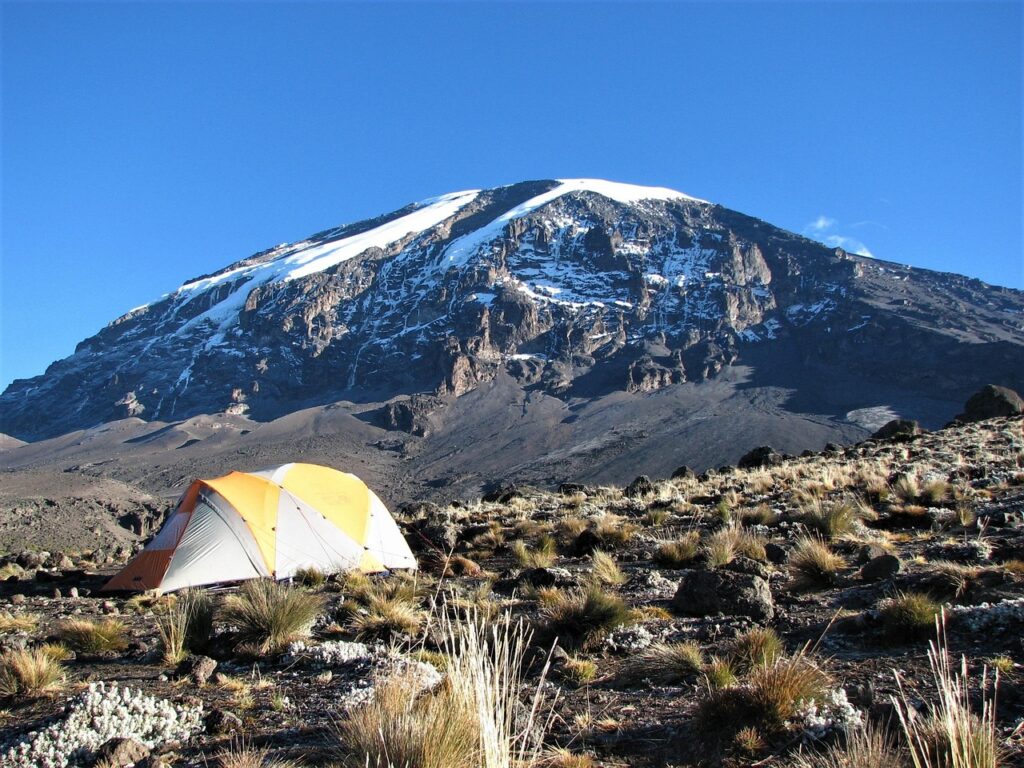
The biggest reason for the global popularity of Moshi Tanzania is its close relationship with Mount Kilimanjaro. Thousands of adventurers arrive every year to begin their journey toward Africa’s highest summit. Most climbing routes, tour companies, guide services, and trekking preparations are centered in Moshi. The town functions as the primary base camp for climbers coming from around the world.
Walking through Moshi feels like stepping into an international meeting point. You might find hikers from Europe discussing climbing strategies, local guides sharing mountain stories, and coffee farmers going about their daily work—all within the same neighborhood.
Coffee Capital of Tanzania
Moshi Tanzania is equally famous for coffee production. The volcanic soil around Kilimanjaro creates ideal growing conditions for Arabica coffee. Coffee farming has shaped the region’s economy for more than a century, and many visitors participate in coffee tours to understand the cultivation and roasting process.
The experience feels surprisingly personal. Instead of massive industrial farms, many coffee tours take place on family-owned plantations where visitors can pick beans, roast them traditionally, and enjoy freshly brewed coffee while overlooking Kilimanjaro.
The History of Moshi Tanzania
The roots of Moshi Tanzania are deeply connected to the Chagga people, one of the most influential ethnic groups in Tanzania. Long before modern tourism existed, Chagga communities thrived on the fertile slopes of Kilimanjaro through agriculture and trade. Their advanced irrigation systems and farming techniques helped transform the region into an agricultural powerhouse.
During the late nineteenth century, German colonial authorities established a stronger administrative presence in the area. Moshi gradually evolved into a commercial center due to its strategic location and agricultural importance. Coffee cultivation expanded significantly after missionaries introduced Arabica coffee to the region in the late 1800s.
Today, traces of this history remain visible throughout the town. Traditional Chagga culture exists alongside modern tourism infrastructure, creating a fascinating blend of old and new. Visitors can experience ancient traditions, local markets, and modern cafes all within a few kilometers.
Climate and Best Time to Visit Moshi Tanzania
One of the most pleasant aspects of Moshi Tanzania is its comfortable climate. Thanks to its elevation of around 800–900 meters above sea level, temperatures are generally cooler than many other parts of Tanzania. Average daytime temperatures often range between 25°C and 30°C.
The dry seasons, which typically occur from June to October and from December to March, are considered the best times to visit. During these months, visibility of Mount Kilimanjaro improves, hiking conditions become more favorable, and outdoor activities are easier to enjoy.
Rainy seasons transform the area into an incredibly green paradise. Waterfalls become more powerful, vegetation flourishes, and coffee plantations appear especially vibrant. Travelers seeking photography opportunities often find the rainy months surprisingly rewarding despite occasional showers.
Top Things to Do in Moshi Tanzania
Climb Mount Kilimanjaro
The number one activity in Moshi Tanzania is undoubtedly climbing Mount Kilimanjaro. Even travelers who do not plan to reach the summit often participate in day hikes on the lower slopes. The mountain offers several routes, each providing unique scenery and challenges.
Explore Materuni Waterfalls
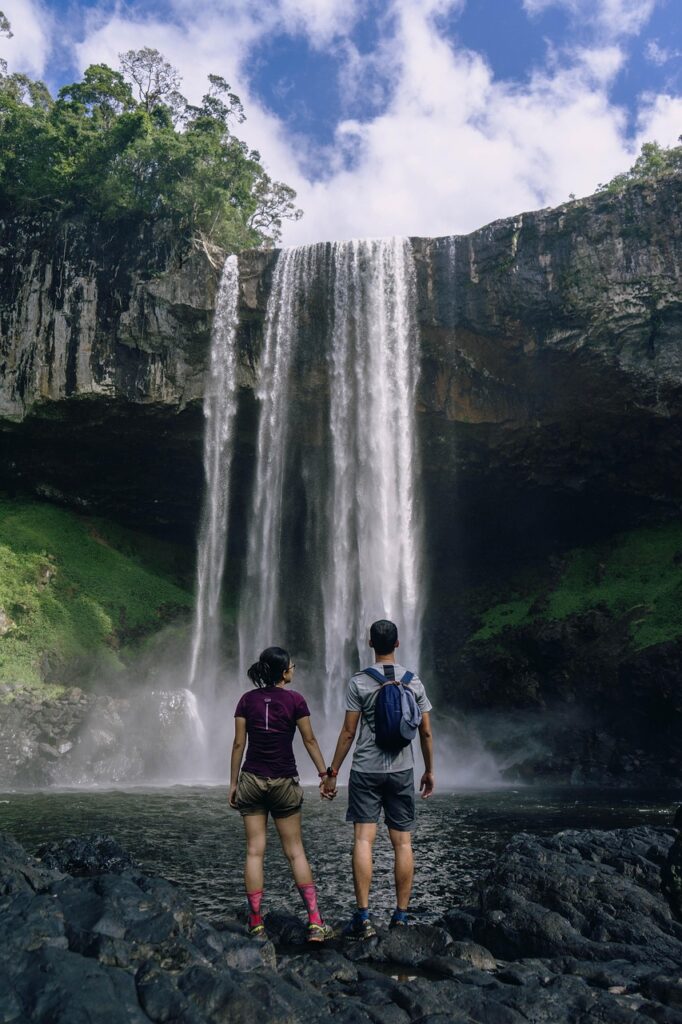
Located near Moshi, Materuni Waterfalls attract visitors with spectacular natural beauty. The hike passes through banana plantations, traditional villages, and scenic landscapes before reaching the waterfall itself.
Visit Coffee Farms
Coffee tours remain among the most popular cultural experiences. Visitors learn about cultivation, harvesting, roasting, and brewing while supporting local farming communities.
Discover Hot Springs
The Kikuletwa Hot Springs, often called Chemka Hot Springs, provide crystal-clear water surrounded by tropical vegetation. Many travelers consider it one of the most relaxing attractions near Moshi.
Wildlife and Safari Opportunities
Although many people associate safaris with Arusha, Moshi Tanzania also serves as an excellent starting point for wildlife adventures. Travelers can arrange excursions to famous parks including Serengeti National Park, Ngorongoro Conservation Area, Tarangire National Park, and Arusha National Park.
Short wildlife experiences are also available for travelers who do not have time for multi-day safaris. Many visitors combine a Kilimanjaro climb with a one-day safari before or after their trek. This combination allows travelers to experience Tanzania’s mountains and wildlife within a single itinerary.
The diversity is remarkable. In one week, you can watch elephants roaming the savannah, observe giraffes feeding on acacia trees, and stand beneath Africa’s tallest mountain. Few destinations offer such variety within such a compact geographical area.
Local Culture and Daily Life
One of the most rewarding aspects of visiting Moshi Tanzania is interacting with local communities. The Chagga people remain central to the region’s identity, and their influence can be seen in food, traditions, architecture, and daily routines.
Markets throughout Moshi are filled with colorful fruits, vegetables, spices, and handcrafted products. Walking through these markets provides insight into local life that no guidebook can fully capture. Travelers frequently describe the friendliness of residents as one of the town’s most memorable features.
The connection between Moshi and Kilimanjaro is deeply emotional for many locals. Discussions on travel communities often highlight how the mountain shapes local identity, tourism, and economic opportunities. Many families have members working as guides, porters, hospitality staff, or conservation professionals connected to Kilimanjaro tourism.
Food and Restaurants in Moshi
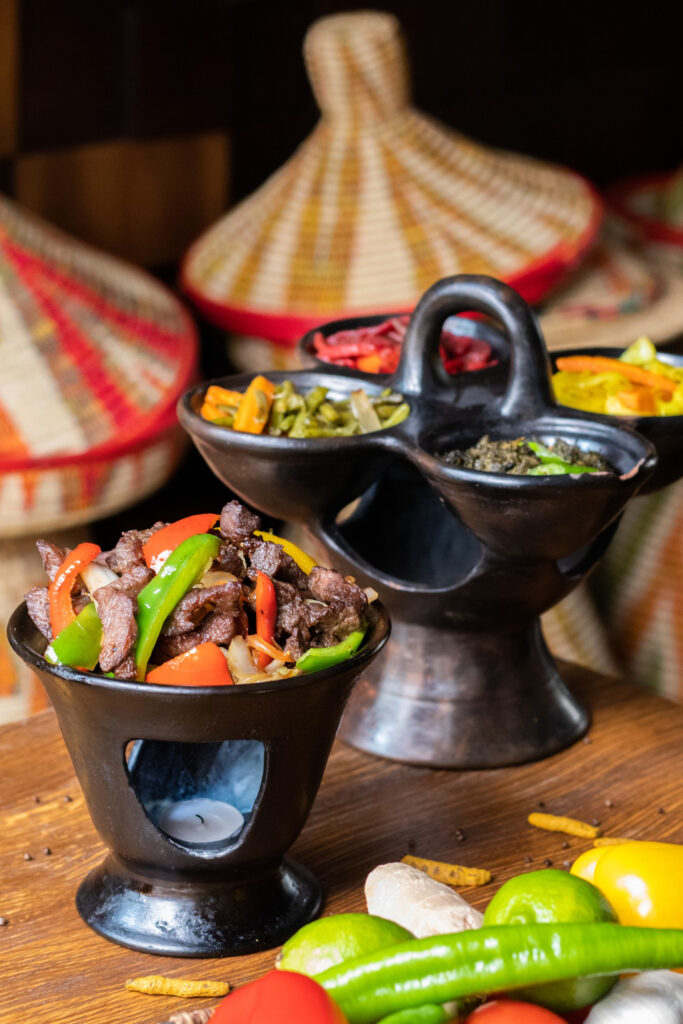
Food lovers will find plenty to enjoy in Moshi Tanzania. The town offers a blend of traditional Tanzanian dishes and international cuisine designed to serve travelers from around the globe.
Popular local foods include grilled meats, rice dishes, bananas, beans, and fresh vegetables grown on nearby farms. Coffee naturally plays a major role in local dining culture. Many cafes serve locally grown Arabica coffee alongside fresh pastries and breakfast dishes.
The dining atmosphere is generally relaxed and welcoming. Instead of large commercial restaurant chains, visitors often discover family-owned establishments where food is prepared using recipes passed down through generations.
Accommodation Options
Accommodation in Moshi Tanzania caters to every type of traveler. Budget backpackers can find affordable hostels and guesthouses, while luxury travelers have access to premium lodges and boutique hotels.
| Accommodation Type | Best For | Average Cost |
|---|---|---|
| Hostels | Budget Travelers | Low |
| Guesthouses | Families | Moderate |
| Mid-Range Hotels | Tourists | Medium |
| Luxury Lodges | Premium Travelers | High |
Many accommodations provide direct views of Mount Kilimanjaro. Waking up to see Africa’s highest mountain from your hotel window creates memories that remain long after the trip ends.
Transportation and Getting Around
Getting around Moshi Tanzania is relatively simple. Taxis, motorcycles, and local minibuses known as dala-dalas provide affordable transportation throughout the area.
Most tourists arrive through Kilimanjaro International Airport before transferring to Moshi. The journey usually takes less than an hour.
Walking is another enjoyable option within the town center. The compact layout allows visitors to explore markets, cafes, and attractions without relying heavily on transportation services.
Safety Tips for Travelers
Moshi Tanzania is generally considered one of Tanzania’s safer tourist destinations. Like any travel location, basic precautions help ensure a positive experience.
Travelers should keep valuables secure, use trusted transportation providers, remain aware of their surroundings, and follow local guidance when exploring unfamiliar areas. Drinking bottled water and carrying travel insurance are also recommended.
The tourism industry in Moshi is well established, and local businesses have extensive experience welcoming international visitors. Most travelers report positive experiences and appreciate the town’s friendly atmosphere.
Why Moshi Tanzania Is Worth Visiting
Moshi Tanzania offers a rare balance between adventure, culture, and relaxation. Some destinations are famous only for one attraction, but Moshi provides a complete travel experience. Visitors can climb mountains, explore waterfalls, learn about coffee production, experience local culture, enjoy wildlife safaris, and relax in natural hot springs without constantly moving between cities.
The town also avoids the overwhelming crowds often found in larger tourist hubs. Life moves at a comfortable pace, allowing visitors to connect more deeply with the environment and local communities. Whether you stay for two days or two weeks, Moshi leaves a lasting impression through its landscapes, hospitality, and unique connection to Mount Kilimanjaro.
Conclusion
Moshi Tanzania is far more than a gateway to Mount Kilimanjaro. It is a destination filled with natural beauty, rich cultural heritage, exceptional coffee, welcoming communities, and unforgettable adventures. From exploring Materuni Waterfalls to sipping freshly roasted coffee on a Chagga farm, every experience reveals another layer of this remarkable town.
For travelers seeking an authentic East African destination that combines adventure and culture, Moshi Tanzania stands among the finest choices available today. The mountain may attract visitors initially, but the people, landscapes, and experiences are what truly make them want to stay longer.
Please visit read about Alaskan Seiti.
FAQs
1. What is Moshi Tanzania famous for?
Moshi Tanzania is famous for being the main gateway to Mount Kilimanjaro and one of the country’s leading coffee-producing regions.
2. Is Moshi Tanzania safe for tourists?
Yes, Moshi is generally considered safe for tourists when normal travel precautions are followed.
3. How many days should I spend in Moshi Tanzania?
Most travelers spend between 3 and 7 days exploring the town, waterfalls, coffee farms, hot springs, and Kilimanjaro activities.
4. What is the best month to visit Moshi Tanzania?
June to October is widely considered the best period because of dry weather and clearer mountain views.
5. Can I visit Moshi Tanzania without climbing Kilimanjaro?
Absolutely. Many visitors come for coffee tours, waterfalls, cultural experiences, hot springs, and wildlife excursions without climbing the mountain.