Seafood lovers around the world continue searching for healthy, affordable, and sustainable fish options. One seafood term that has gained attention online is alaskan seiti, which is the Finnish name for Alaska Pollock. This cold-water fish is widely popular because of its mild flavor, nutritional value, and important role in the global seafood industry.
Found primarily in the northern Pacific Ocean, Alaska Pollock has become one of the most commercially valuable fish species in the world. The growing popularity of alaskan seiti reflects increasing consumer interest in healthy seafood, sustainable fishing practices, and versatile cooking ingredients.
Whether used in fish fillets, seafood sandwiches, frozen products, or traditional recipes, Alaska Pollock remains an important part of international cuisine and seafood markets.
What Is Alaskan Seiti?
The term alaskan seiti refers to Alaska Pollock, a species of fish commonly found in the cold waters of the North Pacific Ocean.
This fish is known for:
- Mild flavor
- Soft white texture
- High protein content
- Low fat levels
- Affordable seafood pricing
Alaska Pollock is widely consumed across Europe, Asia, and North America because it works well in many seafood recipes.
Many frozen fish products sold internationally are made using Alaska Pollock.
Where Alaska Pollock Is Found
The popularity of alaskan seiti is closely connected to the cold marine environments of Alaska and surrounding northern Pacific regions.
The fish is commonly found in:
- Bering Sea
- Gulf of Alaska
- Northern Pacific Ocean
- Coastal fishing zones near Alaska
These nutrient-rich waters provide ideal conditions for sustainable fish populations and commercial fishing operations.

Why Alaska Pollock Is So Popular
There are several reasons why alaskan seiti has become one of the world’s most popular seafood choices.
Consumers appreciate it because it is:
- Affordable
- Nutritious
- Easy to cook
- Mild tasting
- Widely available
- Sustainable
Its neutral flavor also makes it suitable for many different cuisines and cooking styles.
Restaurants, supermarkets, and seafood brands frequently use Alaska Pollock in processed seafood products.
Nutritional Benefits of Alaskan Seiti
One major reason people search for alaskan seiti is because of its nutritional value.
Alaska Pollock is commonly associated with:
- Lean protein
- Omega-3 fatty acids
- Vitamin B12
- Selenium
- Low-calorie nutrition
Health-conscious consumers often include fish in balanced diets because seafood can support healthy eating habits.
Many nutrition experts recommend fish as part of a healthy lifestyle.

Sustainable Fishing Practices
Sustainability is one of the strongest reasons for the global reputation of alaskan seiti products.
Alaska Pollock fisheries are carefully managed using strict regulations designed to protect marine ecosystems.
Sustainable fishing efforts include:
- Fishing quotas
- Scientific population monitoring
- Marine habitat protection
- Seasonal restrictions
- Responsible harvesting methods
These measures help maintain healthy fish populations for future generations.
Consumers increasingly prefer seafood products connected to responsible environmental practices.
Culinary Uses of Alaska Pollock
The versatility of alaskan seiti makes it popular in kitchens around the world.
Common seafood products made from Alaska Pollock include:
- Fish fillets
- Fish sticks
- Seafood burgers
- Fish sandwiches
- Fish tacos
- Frozen seafood meals
Its mild flavor pairs well with herbs, spices, vegetables, and sauces.
Home cooks often choose Alaska Pollock because it is simple to prepare and budget friendly.

Why Seafood Lovers Choose Alaska Pollock
Many seafood lovers prefer alaskan seiti because it offers a balance of taste, affordability, and nutrition.
Unlike stronger-tasting seafood, Alaska Pollock has a lighter flavor that appeals to a wide variety of consumers.
This makes it especially popular among:
- Families
- Beginner seafood eaters
- Health-conscious consumers
- Budget shoppers
- Restaurant chains
Its versatility continues driving global demand.
Fishing Industry and Global Demand
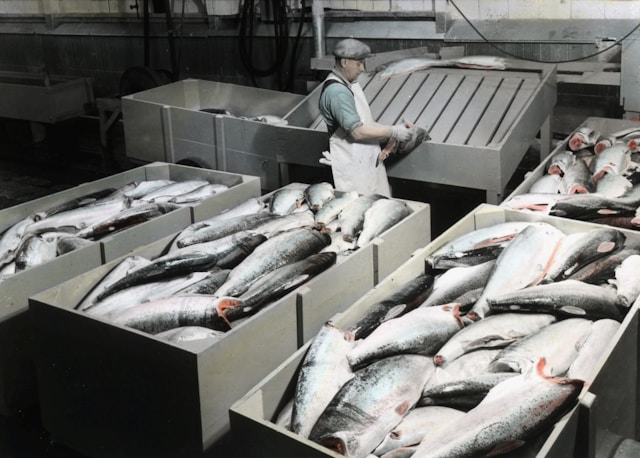
The fishing industry connected to alaskan seiti supports thousands of jobs worldwide.
Major industries benefiting from Alaska Pollock include:
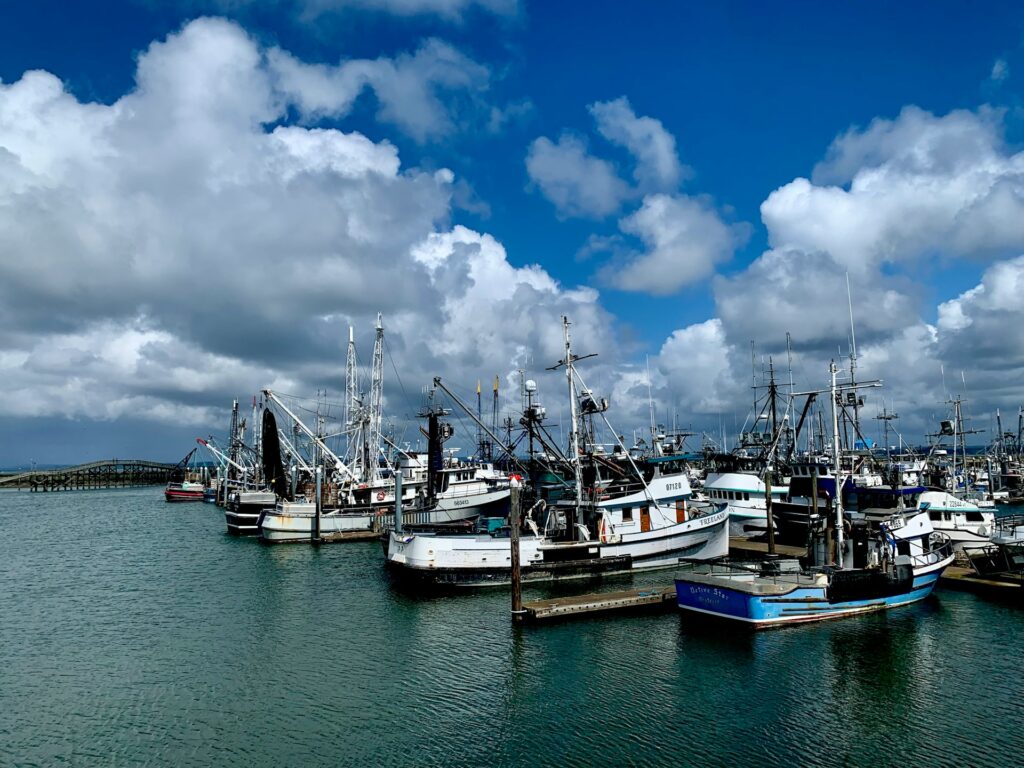
- Commercial fishing
- Seafood processing
- International exports
- Restaurant supply chains
- Frozen food manufacturing
Alaska Pollock remains one of the most commercially harvested fish species globally.
Its widespread use makes it an essential part of the international seafood economy.
Alaskan Seiti in European Markets
In countries like Finland, the term alaskan seiti is commonly used in supermarkets and seafood packaging.
European consumers often purchase Alaska Pollock because it is:
- Affordable
- Easy to prepare
- Available year-round
- Suitable for family meals
The fish is frequently sold frozen, breaded, or as prepared seafood products.
Its popularity continues increasing across many international markets.
Cooking Tips for Alaska Pollock
People searching for alaskan seiti often want easy cooking ideas and seafood preparation tips.
Helpful cooking methods include:
- Baking
- Grilling
- Pan frying
- Air frying
- Steaming
Simple seasonings like garlic, lemon, black pepper, and herbs work especially well with Alaska Pollock.
Because the fish cooks quickly, avoiding overcooking helps maintain moisture and texture.

Healthy Eating and Seafood Trends
Modern health trends have also contributed to growing interest in alaskan seiti and seafood nutrition.
Many consumers now focus on:
- Lean protein sources
- Low-fat diets
- Balanced nutrition
- Omega-3-rich foods
- Sustainable eating habits
Seafood continues gaining popularity among people trying to improve overall diet quality.
Environmental Importance of Sustainable Fisheries
Responsible seafood consumption is becoming increasingly important in conversations related to alaskan seiti.
Sustainable fisheries help:
- Protect ocean ecosystems
- Prevent overfishing
- Support marine biodiversity
- Maintain fish populations
- Encourage responsible food production
Consumers today are more aware of environmental impacts connected to seafood choices.

Why Alaska Pollock Remains a Global Favorite
The continued popularity of alaskan seiti highlights why Alaska Pollock remains one of the world’s most trusted seafood products.
Consumers appreciate it because it combines:
- Good taste
- Affordable pricing
- Healthy nutrition
- Sustainable sourcing
- Cooking versatility
Very few seafood products achieve such broad global demand across both home kitchens and commercial food industries.
Final Thoughts
The growing interest in alaskan seiti, the Finnish name for Alaska Pollock, reflects the worldwide popularity of healthy and sustainable seafood choices.
From nutrition and affordability to responsible fishing practices and versatile cooking options, Alaska Pollock continues serving as one of the seafood industry’s most important fish species.
Whether enjoyed in homemade meals, restaurant dishes, or frozen seafood products, Alaska Pollock remains a reliable and widely appreciated seafood option for consumers around the world.
FAQs
What does alaskan seiti mean?
Alaskan seiti is the Finnish name for Alaska Pollock, a popular cold-water fish species.
Is Alaska Pollock healthy?
Yes, Alaska Pollock is rich in protein and commonly associated with low-fat nutrition and omega-3 fatty acids.
Why is Alaska Pollock so popular?
It is affordable, mild tasting, versatile, and widely available in seafood markets worldwide.
Is Alaska Pollock sustainably sourced?
Yes, many Alaska Pollock fisheries follow strict sustainability and environmental protection practices.
How is Alaska Pollock commonly prepared?
It is often baked, grilled, fried, or used in fish sandwiches, tacos, and frozen seafood meals.