Argentina is often associated with tango, football, and vibrant cities, but the country’s true masterpiece may be its breathtaking natural diversity. Argentina nature is a spectacular blend of glaciers, rainforests, waterfalls, wetlands, deserts, mountains, lakes, and wildlife-rich ecosystems that stretch across nearly every corner of the nation. Few countries on Earth offer such dramatic contrasts. In a single trip, you can walk through subtropical jungles in the north, stand beside gigantic waterfalls, explore endless wetlands filled with wildlife, and then travel south into the icy landscapes of Patagonia.
The natural richness of Argentina is not just visually stunning; it is ecologically significant. The country protects dozens of national parks and some of South America’s most important ecosystems. Nature tourism continues to grow rapidly, with Argentina’s national parks attracting more than 100,000 visitors during major holiday periods alone, highlighting the increasing global interest in the country’s outdoor treasures.
For travelers, photographers, wildlife enthusiasts, and adventure seekers, Argentina nature feels like a giant open-air museum designed by the planet itself. Every region offers a different chapter of the story, and each landscape seems to compete for the title of Argentina’s greatest natural wonder.
Why Argentina Nature Is Famous Worldwide
When people first think about Argentina, many imagine Buenos Aires, steak dinners, and football stadiums packed with passionate fans. Yet the country’s greatest treasure may actually lie beyond its cities. Argentina nature is famous because it offers one of the widest ranges of ecosystems found anywhere in the world. The country stretches over 3,600 kilometers from north to south, creating an extraordinary variety of climates and landscapes. This geographical range allows travelers to experience tropical forests, wetlands, deserts, glaciers, grasslands, mountains, and coastal ecosystems all within one nation.
Imagine Argentina as a giant natural library where every region tells a different story. The northern provinces showcase lush jungles alive with colorful birds and exotic wildlife. Central regions feature fertile plains that seem to stretch endlessly toward the horizon. Southern Patagonia introduces visitors to icy wildernesses where glaciers move like slow rivers of frozen crystal. These contrasts make Argentina one of the most rewarding destinations for nature tourism in South America.
The country also holds exceptional biodiversity. Argentina’s protected areas preserve thousands of plant and animal species, many of which cannot easily be seen elsewhere. Nature enthusiasts frequently rank Argentina among the world’s most impressive destinations because every journey reveals something completely different. One day may involve spotting toucans in rainforest canopies, while the next could involve standing beside ancient glaciers. That constant variety is what transforms Argentina nature from a travel destination into an unforgettable experience.
The Natural Regions of Argentina
Patagonia
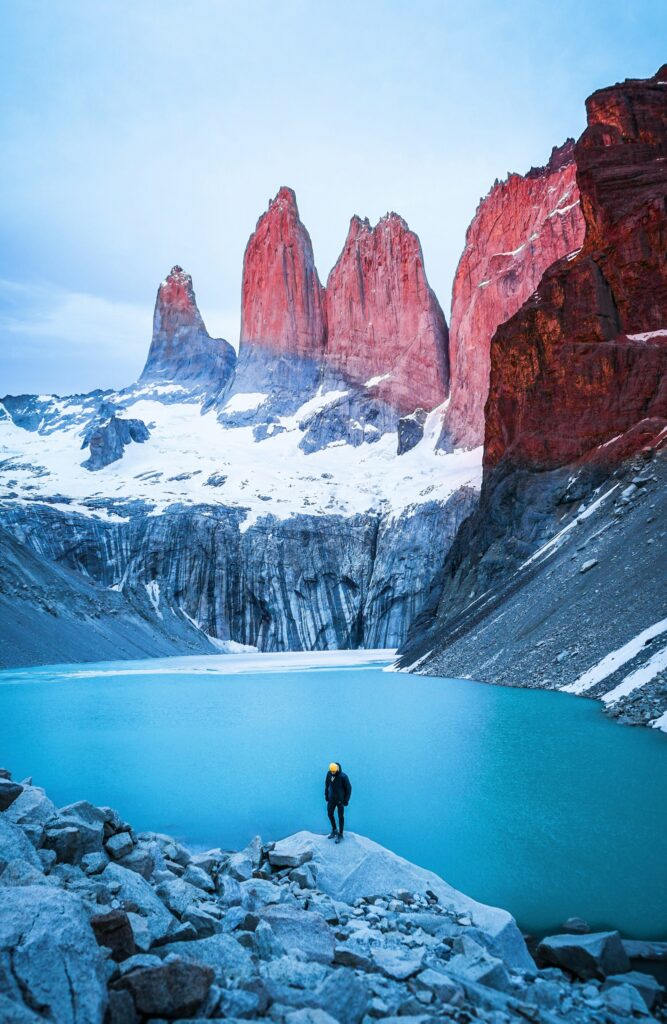
Patagonia is arguably the most famous natural region in Argentina. Covering the southern portion of the country, Patagonia has become synonymous with wilderness, adventure, and breathtaking scenery. The region features snow-covered peaks, turquoise lakes, massive glaciers, and vast open landscapes that feel almost untouched by modern civilization. Travelers often describe Patagonia as one of the last true wilderness frontiers on Earth.
The dramatic beauty of Patagonia comes from its extremes. Strong winds sweep across the plains, glaciers slowly carve through valleys, and towering mountains dominate the horizon. The region attracts hikers, climbers, photographers, and wildlife enthusiasts from around the world. Los Glaciares National Park remains one of Patagonia’s most famous attractions, drawing thousands of visitors who come to witness the incredible Perito Moreno Glacier.
Northern Rainforests
Northern Argentina presents an entirely different side of the country. Instead of icy landscapes, visitors encounter dense subtropical rainforests filled with remarkable biodiversity. The Misiones Province contains sections of the Atlantic Forest, one of South America’s most biologically rich ecosystems. The rainforest surrounding Iguazu Falls contains more than 2,000 plant species and hundreds of bird species.
Wetlands and Grasslands
The wetlands and grasslands of Argentina provide another fascinating ecosystem. These regions support diverse wildlife populations and play a crucial role in environmental conservation. Their importance extends beyond tourism because they help regulate water systems and protect biodiversity across large portions of the country.
Iguazu Falls: Argentina’s Natural Crown Jewel
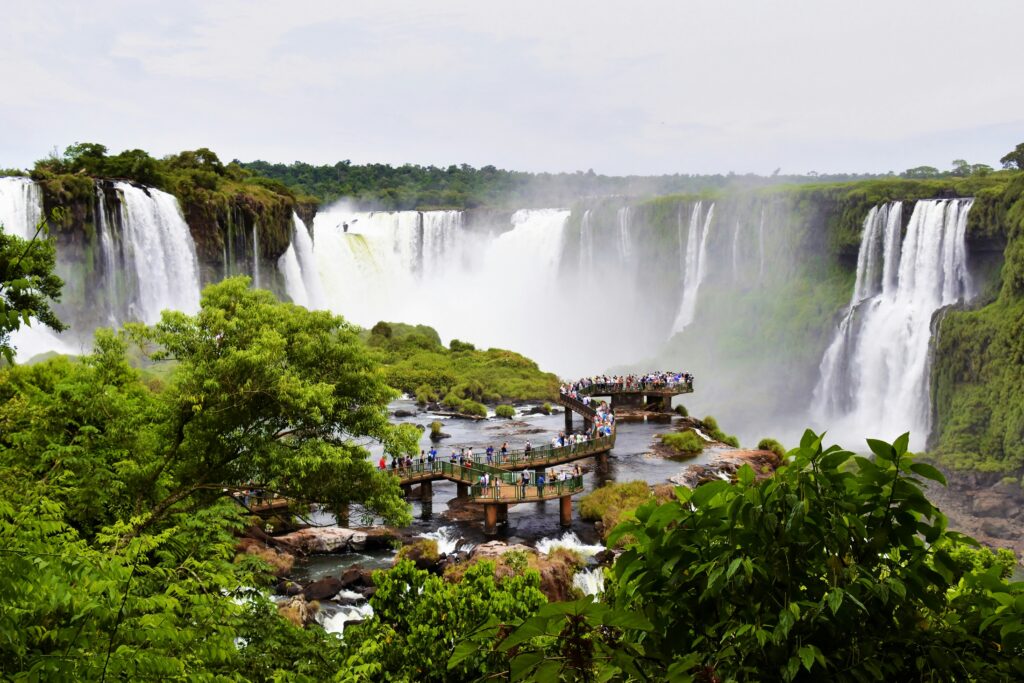
No discussion of Argentina nature would be complete without mentioning Iguazu Falls. Located on the border between Argentina and Brazil, this extraordinary waterfall system is often considered one of the greatest natural wonders on Earth. Iguazu Falls consists of approximately 275 individual waterfalls spread across nearly 2.7 kilometers, making it the largest waterfall system in the world by width.
Standing beside Iguazu Falls is an experience that words struggle to capture. The roar of the water can be heard long before the falls come into view. Mist rises into the sky, rainbows appear across the spray, and the surrounding rainforest creates an almost mythical atmosphere. Many travelers describe their first glimpse of Devil’s Throat, the largest section of the falls, as one of the most powerful moments of their lives.
The surrounding Iguazu National Park protects more than 67,000 hectares of rainforest and serves as a UNESCO World Heritage Site. The park contains extraordinary biodiversity, including monkeys, toucans, coatis, jaguars, and hundreds of bird species.
Patagonia and the Land of Ice
Patagonia demonstrates why Argentina nature captivates adventurers from around the world. This region feels almost cinematic. Massive glaciers stretch across valleys like frozen highways, while towering granite peaks rise dramatically above crystal-clear lakes. Every landscape appears larger than life.
One of Patagonia’s greatest attractions is its glaciers. These enormous rivers of ice move slowly across the landscape, constantly reshaping the terrain around them. Visitors often witness chunks of ice breaking away from glacier walls and crashing into nearby waters. The sound resembles thunder rolling across the mountains. Experiences like these remind travelers that nature remains one of the most powerful forces on Earth.
Patagonia is also a paradise for outdoor recreation. Hiking trails wind through mountain ranges, kayaking routes cross pristine lakes, and wildlife viewing opportunities appear around nearly every corner. The region attracts people who seek adventure but also those searching for peace and solitude. Patagonia proves that some of the world’s most extraordinary experiences require nothing more than standing quietly and appreciating the landscape.
Argentina’s National Parks
Argentina has developed an impressive network of national parks dedicated to preserving its natural heritage. These protected areas safeguard ecosystems ranging from tropical rainforests to glaciers and deserts. The country’s commitment to conservation has helped maintain habitats for countless species while supporting sustainable tourism.
Recent tourism statistics highlight the growing popularity of Argentina’s parks. During a major holiday period, national parks welcomed more than 100,000 visitors, demonstrating their importance both environmentally and economically.
| National Park | Main Attraction | Region |
|---|---|---|
| Iguazu National Park | Iguazu Falls | Misiones |
| Los Glaciares | Perito Moreno Glacier | Patagonia |
| Nahuel Huapi | Lakes and Mountains | Patagonia |
| El Impenetrable | Wildlife and Forests | Chaco |
| Ibera National Park | Wetlands and Wildlife | Corrientes |
These parks are not simply tourist attractions. They function as living laboratories where ecosystems continue to evolve naturally. Each protected area contributes to preserving Argentina’s incredible biodiversity for future generations.
Wildlife of Argentina
One of the most exciting aspects of Argentina nature is its wildlife. The country hosts a remarkable variety of species due to its diverse habitats. Jaguars roam rainforest regions, condors soar above mountain peaks, penguins gather along southern coastlines, and capybaras thrive in wetland ecosystems.
The rainforest surrounding Iguazu Falls supports exceptional biodiversity. Researchers have documented around 450 bird species within the area alone. The region also shelters mammals such as tapirs, howler monkeys, coatis, and elusive jaguars. Wildlife enthusiasts often consider Iguazu one of the best locations in South America for observing rainforest ecosystems.
Patagonia introduces a completely different set of species. Visitors may encounter guanacos grazing across open plains, foxes hunting in remote valleys, and marine wildlife along coastal regions. This diversity reflects the ecological richness that makes Argentina one of the most fascinating nature destinations on the planet.
The Ibera Wetlands
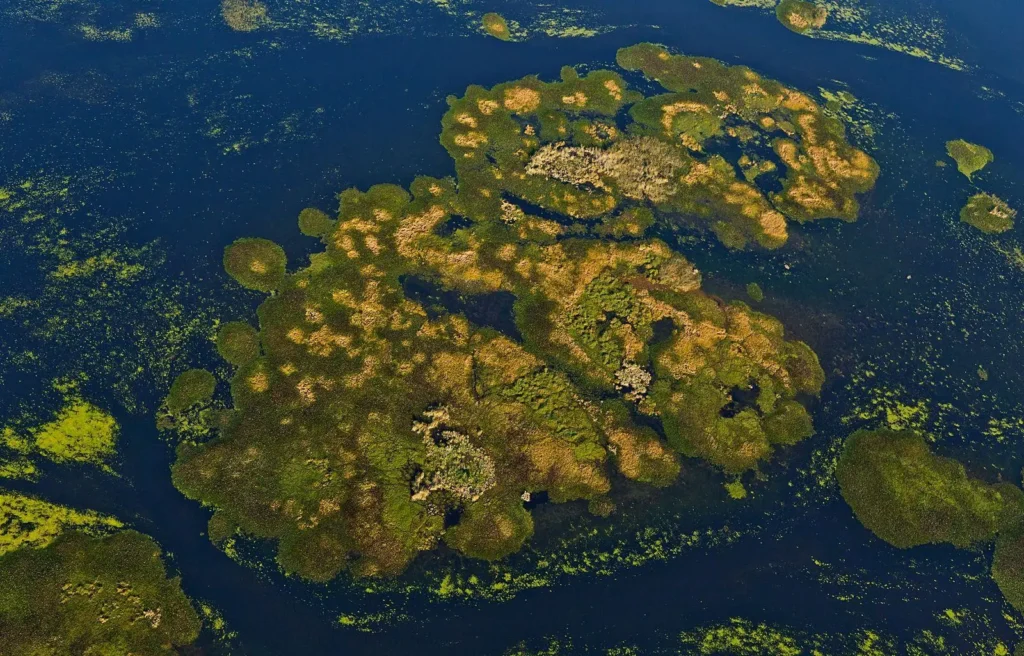
The Ibera Wetlands remain one of Argentina’s most underrated natural treasures. Covering approximately 13,000 square kilometers, this wetland ecosystem ranks among the largest freshwater wetland systems in South America.
Unlike more famous destinations, Ibera offers a quieter and more intimate wildlife experience. Visitors explore marshes, lagoons, and grasslands while observing caimans, capybaras, deer, and hundreds of bird species. The wetlands function like a giant natural sanctuary where wildlife continues to thrive largely undisturbed.
Travelers who visit Ibera often describe it as one of Argentina’s hidden gems. Instead of crowds and busy tourist infrastructure, the wetlands provide a sense of immersion and tranquility that many modern travelers actively seek.
The Gran Chaco Forest
The Gran Chaco represents another important component of Argentina nature. This vast forest ecosystem is the second-largest forest region in South America after the Amazon. It supports thousands of plant species and an impressive variety of wildlife.
The region faces environmental challenges, including deforestation and habitat loss. Conservation initiatives increasingly focus on promoting sustainable tourism as a way to support local communities while protecting ecosystems. Recent projects involving eco-tourism, cultural experiences, and wildlife conservation demonstrate how tourism can contribute positively to environmental preservation.
The Gran Chaco serves as a reminder that nature tourism is not only about exploration. It can also play a meaningful role in supporting conservation and creating sustainable economic opportunities.
Best Time to Experience Argentina Nature
Because Argentina covers such a vast geographic area, the best time to visit depends largely on the destination. Patagonia is most popular during the Southern Hemisphere summer between November and March. During this period, temperatures are milder and hiking conditions are ideal.
Iguazu Falls can be visited year-round thanks to its subtropical climate. Travel experts often recommend visiting between March and May or August and October to enjoy pleasant weather and fewer crowds.
Nature photographers often appreciate seasonal variations because every time of year reveals a different side of Argentina’s landscapes. Rainy seasons enhance waterfalls and forests, while colder months create dramatic mountain scenery. No matter when you travel, there is always an extraordinary natural experience waiting somewhere in Argentina.
Sustainable Tourism in Argentina
Sustainable tourism has become increasingly important throughout Argentina. National parks, conservation organizations, and local communities work together to protect ecosystems while welcoming visitors. These efforts help preserve biodiversity while generating income that supports conservation programs.
Eco-tourism initiatives are especially important in sensitive ecosystems like the Gran Chaco and Ibera Wetlands. Local guides, community-run accommodations, and conservation-focused tours allow travelers to contribute directly to environmental protection efforts.
As global interest in responsible travel continues to grow, Argentina is positioning itself as a destination where visitors can experience extraordinary landscapes while supporting meaningful conservation work.
Why Nature Lovers Choose Argentina
Nature lovers choose Argentina because it offers something increasingly rare in today’s world: variety on a truly epic scale. Few destinations allow travelers to move from rainforests to glaciers, waterfalls to deserts, wetlands to mountains, all within a single country.
The emotional impact of these landscapes is difficult to describe. Standing beside Iguazu Falls feels like witnessing nature’s raw power. Walking through Patagonia creates a sense of freedom that modern life rarely provides. Exploring wetlands filled with wildlife offers moments of wonder that remain in memory for years.
That combination of beauty, diversity, adventure, and conservation is what makes Argentina nature one of the greatest travel experiences available anywhere on Earth.
Conclusion
Argentina nature is a breathtaking showcase of the planet’s most extraordinary landscapes. From the thunderous waterfalls of Iguazu and the icy wilderness of Patagonia to the wildlife-rich Ibera Wetlands and the vast forests of the Gran Chaco, the country offers a level of natural diversity that few destinations can match.
Every region reveals a different side of Argentina’s environmental richness. Whether you are searching for adventure, photography opportunities, wildlife encounters, or peaceful wilderness escapes, Argentina delivers experiences that feel larger than life. For anyone passionate about exploring the natural world, Argentina remains one of the most rewarding destinations on the planet.
FAQs
1. What is Argentina most famous for in nature?
Argentina is most famous for Iguazu Falls, Patagonia, glaciers, mountains, wetlands, and diverse wildlife.
2. Is Argentina good for nature tourism?
Yes, Argentina is one of the top nature tourism destinations in South America due to its extraordinary ecological diversity.
3. What wildlife can be seen in Argentina?
Visitors may see jaguars, capybaras, condors, penguins, foxes, monkeys, caimans, and hundreds of bird species.
4. Which national park is the most visited in Argentina?
Iguazu National Park is among the most visited parks due to the world-famous Iguazu Falls.
5. When is the best time to visit Argentina for nature travel?
The best time depends on the region, but Patagonia is ideal from November to March, while Iguazu Falls can be enjoyed throughout the year.