Guatemala isn’t just a destination filled with ancient ruins and volcanic landscapes. It’s a country where centuries-old traditions continue to shape everyday life. From colorful Maya textiles and bustling artisan markets to vibrant religious festivals and world-renowned coffee, Guatemala offers one of the richest cultural experiences in Central America.
Unlike destinations where historical traditions exist mainly in museums, Guatemalan culture remains part of everyday life. Indigenous communities continue to preserve their languages, ceremonies, and craftsmanship while also embracing modern influences. As a result, visitors experience a unique blend of ancient heritage and contemporary society.
Whether you’re planning a trip, researching for school, or simply curious about Central America, this guide explores the traditions, customs, celebrations, and everyday experiences that make Guatemala such a fascinating country.
A Quick Overview of Guatemala Culture
Before exploring specific traditions, it’s helpful to understand the foundations of Guatemalan society.
| Cultural Feature | Overview |
| Indigenous Heritage | Strong Maya influence across many regions |
| Official Language | Spanish |
| Indigenous Languages | More than 20 Maya languages are still spoken |
| Main Religion | Christianity is widespread, while Maya spiritual traditions continue to influence cultural practices in many Indigenous communities. |
| Famous For | Colorful textiles, festivals, coffee, handicrafts, and hospitality |
| Cultural Identity | Blend of Indigenous Maya and Spanish colonial influences |
One of Guatemala’s greatest strengths is its diversity. Customs, clothing, food, and even dialects can vary significantly from one region to another, making each destination feel distinct.
What Makes Guatemala Culture Unique?
Many countries have historical monuments or traditional festivals, but Guatemala stands out because its cultural heritage is still actively practiced.
Visitors can see artisans weaving textiles using centuries-old techniques, families preparing recipes passed down through generations, and communities celebrating festivals that combine Maya traditions with Christian influences.
Rather than preserving culture solely for tourism, Guatemalans continue these traditions because they remain meaningful parts of daily life.
This authenticity is one of the reasons many travelers describe Guatemala as one of the most culturally rewarding destinations in Latin America.
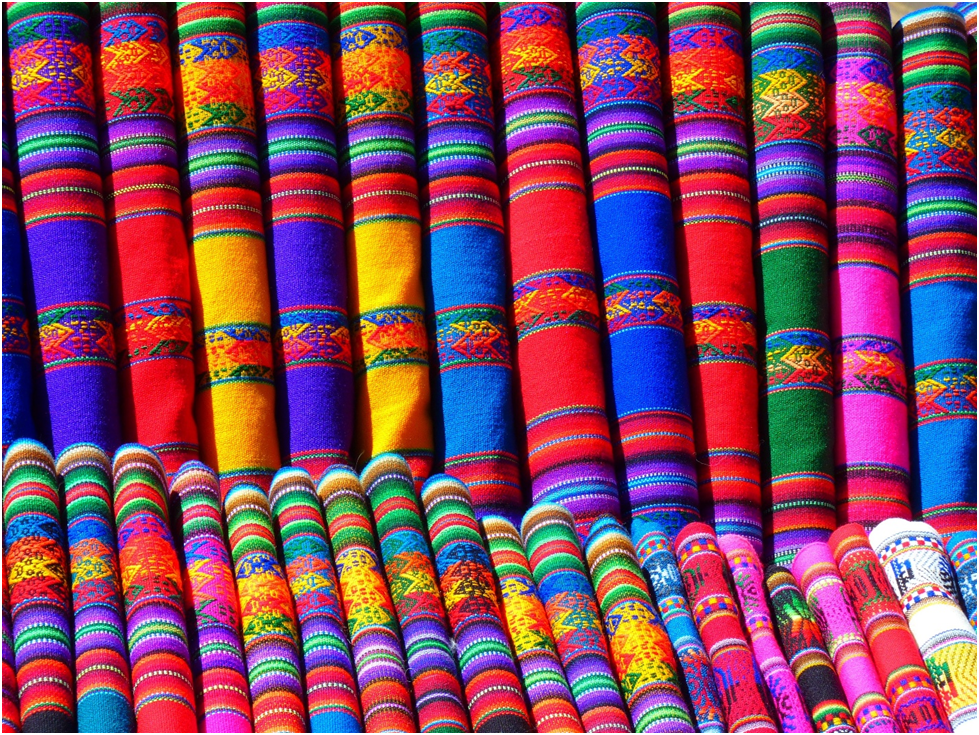
Indigenous Heritage: The Heart of Guatemalan Culture
One of the defining features of Guatemala culture is its deep connection to the ancient Maya civilization.
Long before European colonization, the Maya developed sophisticated cities, advanced astronomy, mathematics, architecture, and writing systems. Although the great Maya cities eventually declined, their descendants continue to live throughout Guatemala today.
Many indigenous communities proudly preserve their traditions through:
- Traditional clothing
- Native languages
- Handwoven textiles
- Ceremonies
- Music
- Agriculture
- Artisan crafts
These customs are not historical reenactments—they are part of everyday life.
For visitors, respectfully learning about indigenous communities provides a much richer understanding of Guatemala than simply visiting archaeological sites.
The Living Legacy of the Maya
Unlike many ancient civilizations whose traditions exist only in museums or archaeological sites, the Maya heritage continues to shape everyday life in Guatemala. Millions of Indigenous Maya people maintain cultural practices that have been passed down through generations, including traditional farming methods, weaving techniques, spiritual ceremonies, and community celebrations.
Ancient Maya cities such as Tikal demonstrate the civilization’s remarkable achievements in architecture, astronomy, mathematics, and writing. Today, descendants of the Maya continue to preserve these traditions while adapting to modern life, making Guatemala one of the few places in the world where ancient cultural practices remain deeply connected to contemporary society.
Many local ceremonies still honor nature, agricultural cycles, and ancestral beliefs, reflecting a worldview that values harmony between people and the environment. Visitors who learn about these traditions often gain a deeper appreciation of Guatemala’s cultural identity beyond its famous archaeological sites.
Traveler Tip
If you visit an indigenous village or local market, ask permission before photographing people. Respect for local customs helps create positive cultural exchanges.
Languages Spoken in Guatemala
Many first-time visitors assume everyone in Guatemala speaks Spanish.
While Spanish is the official language, Guatemala is actually one of the most linguistically diverse countries in the Americas.
More than 20 Maya languages continue to be spoken in different regions, alongside the Garífuna and Xinca languages.
Language diversity reflects the country’s rich indigenous heritage and regional identities.
Common Languages in Guatemala
| Language | Where It’s Commonly Spoken |
| Spanish | Throughout the country |
| K’iche’ | Western Highlands |
| Q’eqchi’ | Alta Verapaz and surrounding regions |
| Kaqchikel | Central Highlands |
| Mam | Western Guatemala |
| Garífuna | Caribbean coast around Livingston |
Learning a few simple Spanish greetings is appreciated by many locals, especially in tourism areas. In indigenous communities, local guides can also help visitors better understand regional traditions and customs.
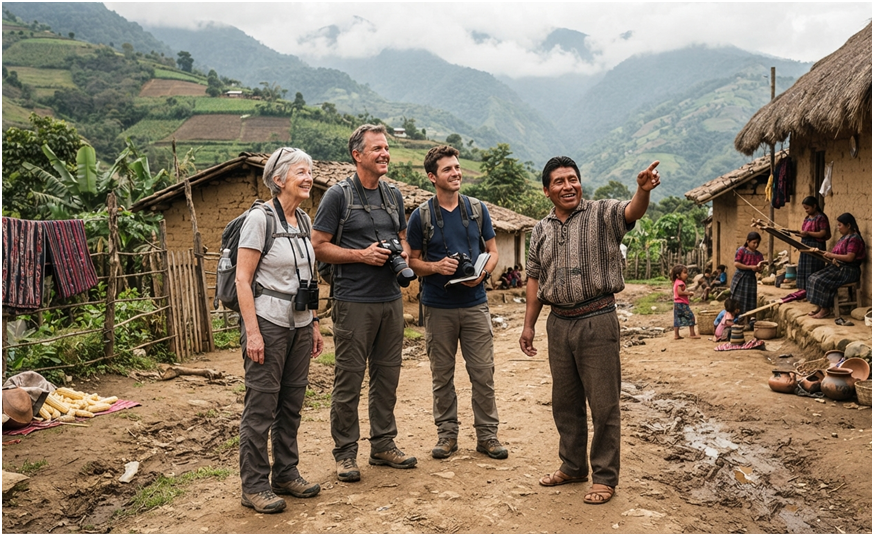
Family and Community Values
Strong family relationships remain an important part of Guatemalan culture.
Extended families often live close to one another, and community events play a significant role in daily life. Celebrations, religious festivals, weddings, and local gatherings frequently involve multiple generations.
Visitors often notice the warm hospitality shown by Guatemalans, particularly in smaller towns and rural communities.
Community cooperation is also reflected in local artisan markets, farming traditions, and neighborhood celebrations.
For travelers, accepting invitations respectfully, supporting family-owned businesses, and engaging with local communities can create more meaningful experiences than visiting only major tourist attractions.
Traditional Clothing and Textiles
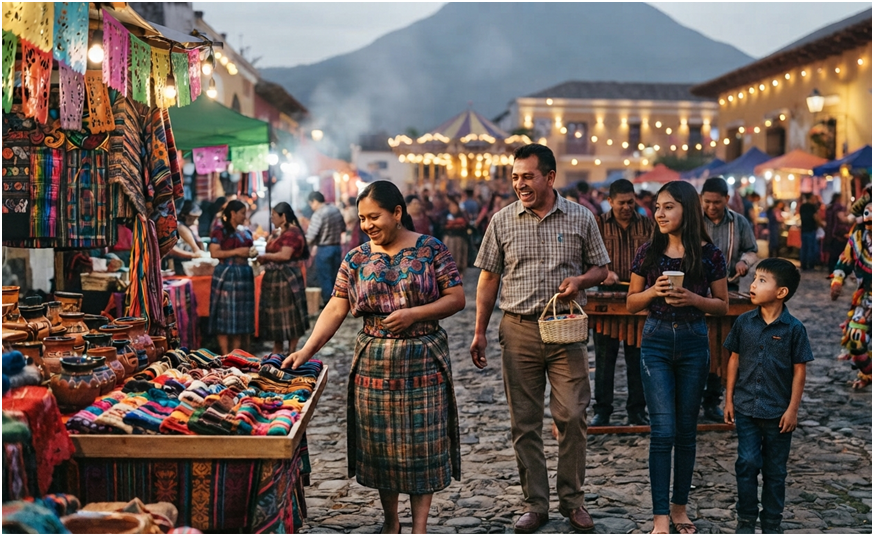
Perhaps no symbol of Guatemalan culture is more recognizable than its colorful handwoven textiles.
Across the country, many indigenous women continue to wear traditional garments known as huipiles, often paired with embroidered skirts and woven belts.
The colors and patterns are more than decorative—they often represent a person’s community, family heritage, or regional identity.
Popular handcrafted items include:
- Huipiles
- Scarves
- Shawls
- Table runners
- Handwoven bags
- Blankets
- Decorative fabrics
These products are typically made using weaving techniques that have been preserved for generations.
Purchasing directly from local artisans helps support traditional craftsmanship and local economies.
Traditional Clothing at a Glance
| Garment | Description | Commonly Seen In |
| Huipil | Handwoven embroidered blouse | Highlands and indigenous communities |
| Corte | Traditional woven skirt | Throughout many Maya regions |
| Faja | Woven belt | Worn with traditional outfits |
| Rebozo | Shawl used for warmth or carrying items | Rural communities |
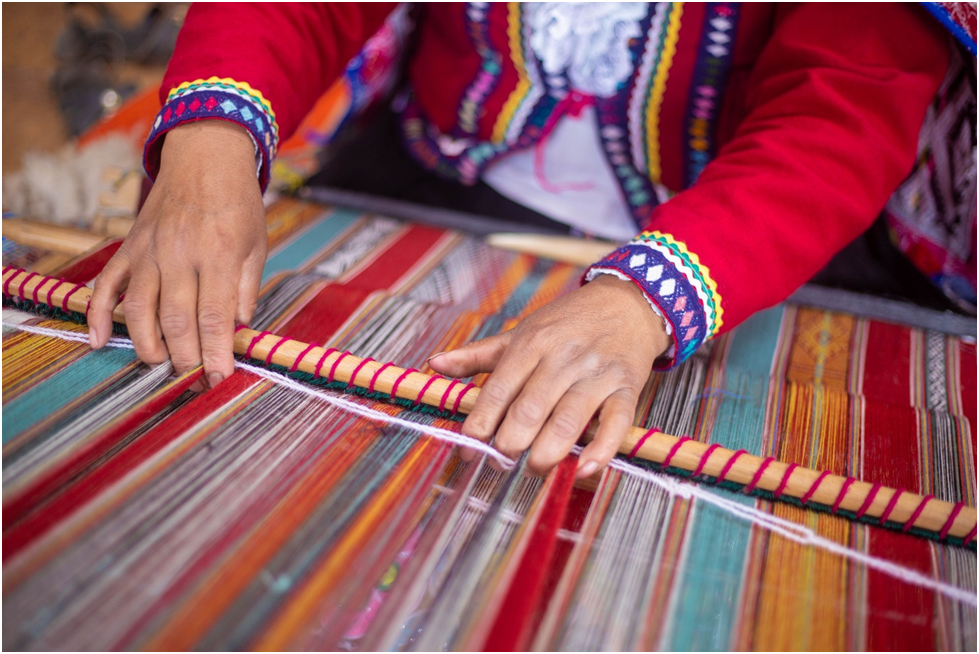
Why Travelers Love Experiencing Guatemala’s Culture
Beyond famous landmarks, Guatemala offers opportunities to connect with local traditions in meaningful ways.
Visitors often remember experiences such as:
- Browsing colorful artisan markets
- Joining a traditional cooking class
- Visiting a coffee plantation
- Learning about Maya history from local guides
- Watching skilled weavers at work
- Exploring colonial towns filled with local festivals
These experiences help travelers appreciate not only what Guatemala looks like, but also how its people preserve their cultural heritage every day.
Cultural Experiences You Shouldn’t Miss
Learning about Guatemala’s culture becomes even more meaningful when you participate in local experiences rather than simply observing them. Many travelers find these activities become the highlight of their trip.
Some of the best cultural experiences include:
Join a Traditional Cooking Class
Learn to prepare authentic Guatemalan dishes such as Pepián or Tamales while discovering the history behind local ingredients and cooking methods.
Visit Chichicastenango Market
One of the largest Indigenous markets in Central America, this colorful marketplace is famous for handmade textiles, artisan crafts, flowers, and traditional ceremonies.
Watch a Marimba Performance
The marimba is Guatemala’s national instrument, and live performances offer visitors an authentic introduction to the country’s musical heritage.
Tour a Coffee Plantation
Coffee tours allow visitors to learn how Guatemala’s world-famous coffee is grown, harvested, roasted, and brewed while supporting local farming communities.
Learn Traditional Weaving
Many artisan cooperatives offer demonstrations where visitors can see how intricate huipiles and other woven textiles are created using centuries-old techniques.
Guatemala Traditions That Continue Today
One of the most remarkable aspects of Guatemala culture is that many traditions have been preserved for centuries. While modern cities continue to develop, countless communities still celebrate customs passed down through generations.
Many Guatemalan traditions combine ancient Maya beliefs with Spanishcolonial influences, creating celebrations and customs that are unique to the country.
Visitors who take time to experience local traditions often gain a much deeper appreciation of Guatemala than those who only visit famous landmarks.
Some traditions you’ll encounter include:
- Weekly local markets
- Artisan weaving demonstrations
- Religious processions
- Community festivals
- Traditional cooking methods
- Coffee harvesting traditions
- Family-centered celebrations
Rather than existing only for tourists, these customs remain an important part of everyday life.
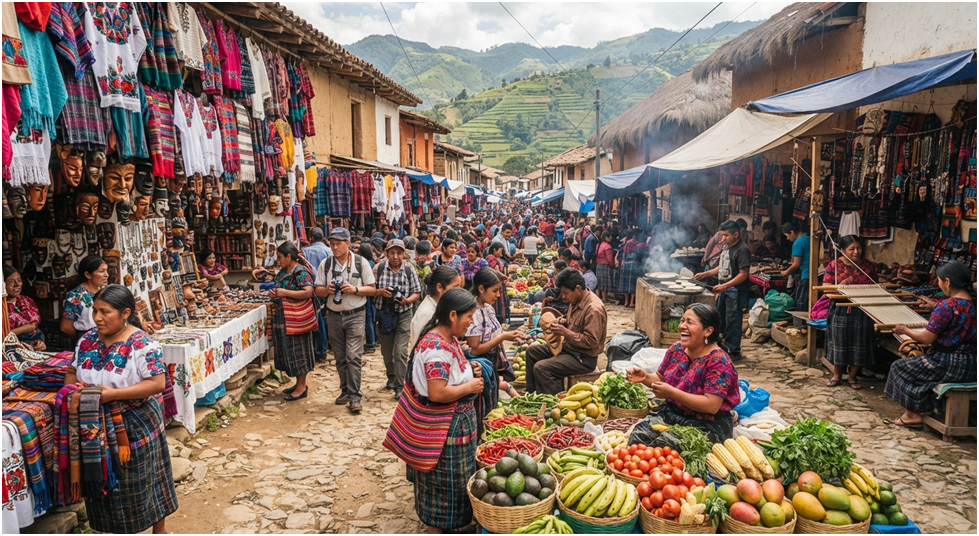
Festivals in Guatemala
Festivals are among the best ways to experience Guatemalan culture & traditions.
Throughout the year, towns and cities celebrate religious holidays, historical events, and local patron saints with colorful decorations, music, dancing, and traditional foods.
Unlike many festivals designed mainly for tourism, Guatemalan celebrations are deeply rooted in community life and family traditions.
Some of the Most Popular Festivals
| Festival | Why It’s Special | Best Known Location |
| Semana Santa (Holy Week) | Famous processions and colorful street carpets | Antigua Guatemala |
| Independence Day | National celebrations, parades, music | Nationwide |
| Day of the Dead | Giant kite festivals and family remembrance | Sumpango and Santiago Sacatepéquez |
| Local Patron Saint Festivals | Traditional dances and cultural events | Various towns |
If your travel dates coincide with one of these celebrations, you’ll have the opportunity to experience Guatemala at its most vibrant.
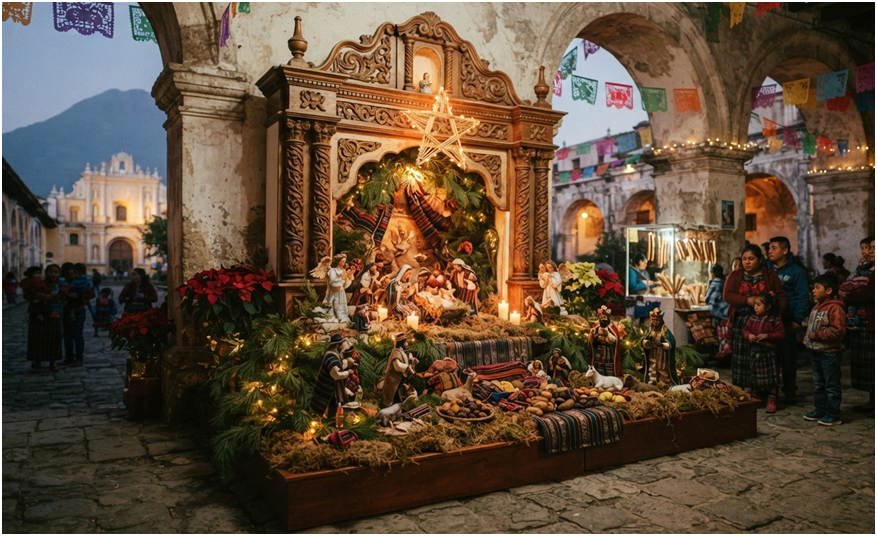
Christmas in Guatemala
Christmas in Guatemala is one of the country’s most cherished celebrations.
The festive season begins well before December 25, with families decorating their homes, attending church services, and preparing traditional meals.
One unique tradition is La Quema del Diablo (Burning of the Devil), held on December 7. Families symbolically burn old items or devil-shaped figures to represent cleansing their homes before the Christmas season.
Another beloved tradition is creating elaborate nativity scenes (nacimientos) inside homes and churches. Some displays include miniature villages, rivers, mountains, and handcrafted figurines.
On Christmas Eve, families typically gather for:
- A special dinner
- Gift exchanges
- Fireworks
- Midnight celebrations
- Church services
For visitors, Christmas offers an excellent opportunity to witness Guatemalan hospitality and festive traditions.
Guatemalan Independence Day
Guatemalan Independence Day is celebrated every year on September 15, marking the country’s independence from Spanish rule in 1821.
Celebrations take place throughout the country and often include:
- School parades
- Traditional music
- Dancing
- Cultural performances
- Fireworks
- Flag ceremonies
- Community events
One of the most recognizable traditions is the Torch Run (Antorcha de la Independencia), during which runners carry symbolic torches between cities and towns.
For travelers visiting in September, Independence Day provides an excellent opportunity to experience national pride and local celebrations.
Traditional Guatemalan Food
Food provides another window into Guatemalan culture.
Many dishes combine indigenous ingredients such as maize, beans, chilies, tomatoes, and squash with influences introduced during the Spanish colonial period.
Popular traditional dishes include:
- Pepián – a rich meat stew with roasted spices
- Kak’ik – traditional turkey soup with herbs and spices
- Tamales – corn dough wrapped in banana leaves
- Hilachas – shredded beef in tomato-based sauce
- Rellenitos – sweet fried plantain filled with black beans
- Fresh handmade tortillas
Local markets and family-owned restaurants often provide the most authentic dining experiences.
Popular Guatemalan Foods
| Dish | Main Ingredients | Best For |
| Pepián | Meat, vegetables, roasted spices | Traditional lunch |
| Kak’ik | Turkey, herbs, spices | Regional specialties |
| Tamales | Corn dough, meat or vegetables | Holidays and celebrations |
| Hilachas | Shredded beef and tomato sauce | Family meals |
| Rellenitos | Plantain and black beans | Dessert or snack |
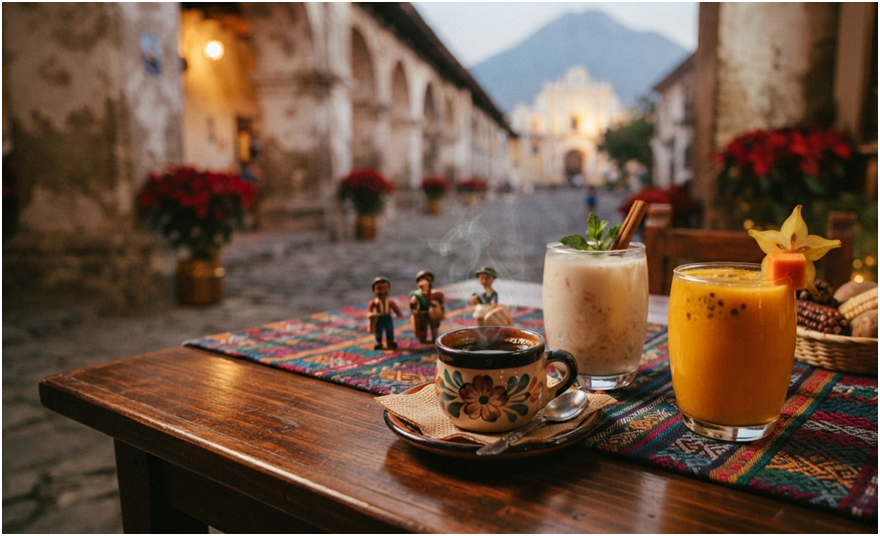
Traditional Guatemalan Drinks
No Guide to Guatemalan culture would be complete without mentioning Guatemalan drinks.
Some beverages have been enjoyed for centuries, while others reflect more recent culinary traditions.
Popular drinks include:
Coffee
Guatemala produces some of the world’s highest-quality Arabica coffee, grown across eight recognized coffee-producing regions known for their volcanic soils and high elevations.
Coffee farm tours are among the country’s most popular cultural experiences.
Atol
A warm, traditional corn-based drink enjoyed during cooler weather and festive occasions.
Rosa de Jamaica
A refreshing drink made from hibiscus flowers with a slightly sweet and tart flavor.
Horchata
Made with rice, cinnamon, vanilla, and spices, this refreshing beverage is commonly served alongside traditional meals.
Fresh Fruit Juices
Markets and cafés throughout Guatemala serve juices made from tropical fruits such as mango, papaya, pineapple, and watermelon.
Traveler Tip: Try beverages from reputable cafés and restaurants, especially if you’re unsure about local water quality.
Popular Guatemalan Street Food
Street food is an affordable way to experience authentic local flavors. Some favorites include:
- Chuchitos – small corn dumplings filled with meat and wrapped in corn husks.
- Tostadas – crispy tortillas topped with beans, guacamole, cheese, or salsa.
- Elotes Locos – grilled corn served with cheese, mayonnaise, spices, and lime.
- Empanadas – fried pastries filled with vegetables, meat, or sweet custard.
These snacks are commonly sold in markets, festivals, and town squares throughout Guatemala.
Vegetarian Food in Guatemala
Although many traditional dishes include meat, vegetarian travelers will still find plenty of options. Fresh tortillas, black beans, rice, grilled vegetables, avocado, tamales filled with vegetables, tropical fruits, and local soups are widely available.
Many restaurants in popular tourist destinations such as Antigua Guatemala and Lake Atitlán also offer vegetarian and vegan menus.
Cultural Etiquette for Visitors
Understanding local customs helps travelers enjoy more respectful and meaningful experiences.
Do
- Learn a few basic Spanish greetings.
- Ask permission before photographing people.
- Dress respectfully when visiting churches or indigenous communities.
- Support local artisans by purchasing handmade products.
- Be patient and polite during conversations.
Avoid
- Assuming every community shares the same traditions.
- Bargaining aggressively in artisan markets.
- Touching handcrafted items without permission.
- Ignoring local customs during religious celebrations.
Respectful behavior is usually appreciated and often leads to warmer interactions with local residents.
Common Cultural Mistakes Tourists Make
Even experienced travelers sometimes make avoidable mistakes.
1. Treating Indigenous Communities Like Tourist Attractions
Remember that these are living communities, not museum exhibits.
2. Expecting Every Region to Be the Same
Guatemala’s cultural diversity means customs, clothing, languages, and food vary from one region to another.
3. Skipping Local Markets
Markets are among the best places to experience authentic Guatemalan culture while supporting local businesses.
4. Only Eating International Food
Trying traditional dishes offers valuable insight into local history and daily life.
5. Rushing Through Festivals
Many celebrations unfold over several days. Spending extra time allows you to appreciate their cultural significance rather than simply watching from the sidelines.
Quick Cultural Etiquette Checklist
Before visiting Guatemala, remember to:
- Learn basic Spanish phrases.
- Respect local customs and traditions.
- Ask before taking photographs of people.
- Support local artisans when shopping.
- Dress appropriately at religious sites.
- Try traditional food and drinks.
- Attend a local festival if your schedule allows.
- Keep an open mind and embrace regional differences.
Best Places to Experience Guatemalan Culture
- Antigua Guatemala — colonial culture and Semana Santa
- Chichicastenango — Indigenous market and traditions
- Lake Atitlán — Maya communities and textiles
- Quetzaltenango — local culture and language
- Livingston — Garífuna culture
- Tikal — Maya heritage and history
Frequently Asked Questions
1. What is Guatemala culture known for?
Guatemala culture is known for its rich Maya heritage, colorful traditional textiles, vibrant festivals, colonial architecture, handcrafted art, marimba music, and flavorful cuisine. The country’s culture is a blend of Indigenous Maya traditions and Spanish colonial influences, creating one of the most diverse cultural identities in Central America.
2. What are some important Guatemala traditions?
Some of the best-known Guatemala traditions include:
- Semana Santa (Holy Week) celebrations
- Giant Kite Festival on the Day of the Dead
- La Quema del Diablo (Burning of the Devil)
- Traditional weaving and textile making
- Coffee cultivation and harvesting
- Family-centered religious celebrations
- Weekly local artisan markets
Many of these traditions have been preserved for centuries and continue to play an important role in everyday life.
3. What food is traditional in Guatemala?
Traditional Guatemalan cuisine includes dishes such as Pepián, Kak’ik, Tamales, Hilachas, Chiles Rellenos, and freshly made corn tortillas. Meals often feature local ingredients like maize, beans, chilies, tomatoes, herbs, and seasonal vegetables.
Coffee is also an important part of the country’s culinary identity, with Guatemala producing some of the world’s most respected specialty coffees.
4. What are popular Guatemalan drinks?
Some of the most popular Guatemalan drinks include:
- Guatemalan coffee
- Atol
- Horchata
- Rosa de Jamaica (hibiscus drink)
- Fresh tropical fruit juices
These beverages are commonly served in homes, local cafés, and traditional restaurants throughout the country.
5. How is Christmas celebrated in Guatemala?
Christmas in Guatemala is celebrated with family gatherings, church services, festive meals, fireworks, and beautifully decorated nativity scenes known as nacimientos. One of the country’s most unique traditions is La Quema del Diablo, held on December 7, when symbolic devil figures are burned before the Christmas season begins.
6. How is Guatemalan Independence Day celebrated?
Guatemalan Independence Day, celebrated on September 15, features patriotic parades, marching bands, cultural performances, torch runs, fireworks, and community events across the country. Schools, families, and local organizations all take part in honoring Guatemala’s independence from Spanish rule.
7. What languages are spoken in Guatemala?
Spanish is the official language, but Guatemala is also home to more than 20 Indigenous Maya languages, along with Garífuna and Xinca. This linguistic diversity reflects the country’s rich cultural heritage and regional identities.
8. What should tourists know about Guatemalan culture?
Visitors should approach local customs with curiosity and respect. Learning a few Spanish phrases, asking permission before photographing people, dressing appropriately at religious sites, and supporting local artisans are simple ways to show appreciation for Guatemalan traditions and create more meaningful travel experiences.
Final Thoughts
Understanding Guatemala culture goes far beyond visiting famous landmarks. The country’s identity is shaped by centuries of Maya heritage, colonial history, strong family values, artistic traditions, and vibrant community celebrations.
Whether you’re walking through the colorful streets of Antigua, listening to marimba music during a local festival, sharing a cup of freshly brewed Guatemalan coffee, or watching skilled artisans weave intricate textiles, you’ll quickly realize that culture is woven into everyday life.
For travelers, the most memorable experiences often come from slowing down and engaging with local communities. Visiting artisan markets, trying regional dishes, attending traditional festivals, and learning about Indigenous customs provide a deeper understanding of Guatemala than sightseeing alone.
As you plan your journey, let curiosity guide your experiences. Respect local traditions, embrace cultural differences, and take time to appreciate the stories behind the places you visit. Those moments are often what transform a good trip into an unforgettable one.
About the Author
Tour Voices Editorial Team
This guide was researched and written by the Tour Voices Editorial Team using reputable cultural, historical, and tourism sources. Our goal is to provide practical, respectful, and useful information for travelers interested in understanding Guatemala beyond its famous tourist attractions. We don’t claim personal, on-the-ground experience we don’t have — you can read more about how we research and fact-check on our About page.
Spotted outdated pricing or have a correction? Let us know — we review and update our guides regularly.