Is Guatemala Safe: Guatemala’s safety reputation is more complicated than a single yes-or-no answer. The U.S. State Department currently rates Guatemala at Level 3, “Reconsider Travel,” largely due to crime in specific areas. But that headline number doesn’t tell the whole story: millions of tourists visit Guatemala’s highlands, colonial towns, and Mayan ruins every year without incident, because safety here depends heavily on where you go and how you travel, not just the country as a whole.
This guide breaks safety down region by region, so you can make informed decisions instead of relying on a single advisory number.
Quick Answer
Guatemala’s most-visited tourist areas — Antigua, Lake Atitlán, and Tikal — are generally safe for travelers who take standard precautions. Guatemala City requires more care, since safety varies dramatically by zone. Petty theft, not violent crime, is the most common risk tourists actually encounter.
Is Guatemala City Safe?
Guatemala City is the country’s biggest safety wildcard, because it genuinely varies block by block. Zones 10, 13, 14, and 15 — where most hotels, restaurants, and the airport are located — have visible private security, well-lit streets, and see heavy tourist traffic without major incident. Other zones, further from the tourist core, have meaningfully higher crime rates and aren’t places casual visitors should wander into.
Guatemala City’s traffic is also worth taking seriously in its own right: aggressive driving, weaving motorcycles, and inconsistent pedestrian infrastructure make road safety a bigger everyday risk for most visitors than crime does. Registered taxis, rideshare apps, or hotel-arranged transport are safer than hailing cars off the street.
Is Antigua Safe?
Antigua is widely considered the safest tourist town in Guatemala. It has its own dedicated tourist police force (DISETUR), cobblestone streets that stay busy well into the evening, and a strong, established tourism economy that supports ongoing safety efforts. The main real risk is phone snatching by passing motorbikes — keep your phone put away rather than out and visible while walking, and take a tuk-tuk rather than walking home alone late at night after bars close.
Is Lake Atitlán Safe?
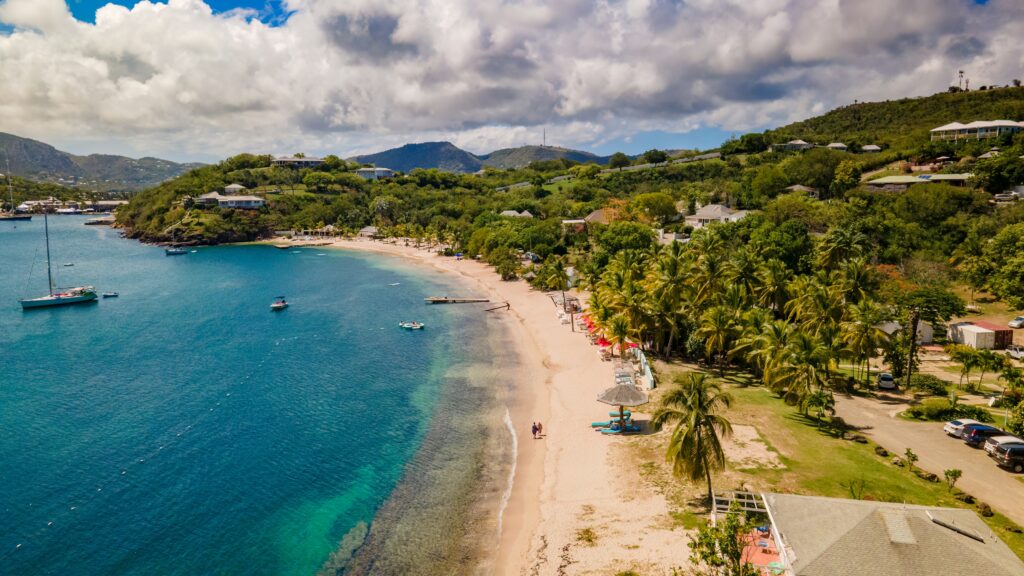
The lake towns themselves (Panajachel, San Pedro, San Marcos) are generally safe and well-used to tourism. The bigger caution is the roads connecting towns around the lake, which have occasionally seen incidents involving vehicles. Sticking to boat transport between villages — the normal way locals and tourists get around the lake anyway — sidesteps this risk entirely.
Volcano Hikes: What’s Safe and What Isn’t
Acatenango, the famous overnight hike to watch Volcán de Fuego erupt, is safe by virtue of being extremely well-established: large groups, experienced commercial tour operators, and a well-worn route. Smaller, less-visited hikes — like some routes up Volcán de Agua or lesser-known viewpoints near small towns — have a real history of armed robbery targeting tourists carrying cameras and drones. If a hike isn’t run by an established commercial operator, ask locally (your hostel or the police) whether an escort is recommended. It’s often free or just a small tip.
Chicken Buses: Proceed With Caution
Guatemala’s colorful “chicken buses” (repurposed U.S. school buses) are iconic, but they come with real tradeoffs: frequent accidents from reckless driving, and occasional targeting for extortion on certain routes. A short, ten-to-twenty-minute ride without luggage is a reasonable way to experience them. Long-distance routes (like Guatemala City to Lake Atitlán) are better done by tourist shuttle or private driver instead.
Solo and Female Travelers
Plenty of solo and female travelers visit Guatemala safely every year, but it does call for sharper-than-usual habits: stick to well-traveled tourist areas, avoid walking alone after dark, let someone know your plans, and travel with groups or guides for more remote excursions. This isn’t unique to Guatemala — it’s the same baseline caution worth applying in most unfamiliar destinations, just with slightly more margin for error here than in, say, Western Europe.
Health and Water Safety
Tap water in Guatemala isn’t considered safe to drink, including for brushing your teeth in more remote areas. Stick to bottled or properly filtered water throughout your trip, and be mindful even when showering not to let water get in your mouth.
Areas Best Avoided
Some regions see meaningfully less tourism infrastructure and higher rates of poverty-linked crime, including parts of Huehuetenango and San Marcos department, and remote areas of Petén away from the established Flores/El Remate/Tikal corridor. These aren’t places most travelers have a reason to visit anyway, since they sit well outside the standard tourist circuit.
Guatemala Safety Checklist
- Keep valuables in your hotel safe, not on you
- Use registered taxis, rideshare apps, or arranged transport rather than hailing cars randomly
- Avoid displaying phones, cameras, or jewelry openly on the street
- Stick to bottled water throughout your trip
- Book volcano hikes and remote excursions through established tour operators
- Avoid walking alone after dark, especially in Guatemala City
- Register your trip with your embassy’s travel program before you go (like STEP for U.S. citizens)
Frequently Asked Questions
Is it safe to travel to Guatemala right now?
Yes, for the standard tourist circuit (Antigua, Lake Atitlán, Tikal), provided you take normal precautions. The U.S. State Department’s Level 3 advisory reflects crime concentrated in specific areas, not the entire country.
Is Guatemala safe for solo female travelers?
Generally yes, with the same heightened awareness recommended for solo travel anywhere: stick to populated tourist areas, avoid walking alone at night, and consider guided tours for more remote activities.
Do I need a guide in Guatemala?
Not always, but it’s recommended for volcano hikes outside the major commercial routes, and genuinely useful (often free or low-cost) for remote viewpoints and rural excursions.
Is Guatemala City worth visiting, or should I skip it?
Most travelers pass through briefly for the airport and skip extended time there in favor of Antigua, which is both safer and more geared toward tourism. If you do stay, the zones near the airport (10, 13, 14, 15) are the established safe areas.
Final Thoughts
Guatemala’s safety picture is really a tale of two countries: the well-trodden tourist path through Antigua, Lake Atitlán, and Tikal is genuinely manageable with common-sense precautions, while venturing off that path — particularly in Guatemala City or remote rural departments — calls for real caution and local guidance. Neither extreme (dismissing all safety concerns, or writing the country off entirely) reflects the reality on the ground.
For more on planning your trip, see our Guatemala Travel Guide, the best time to visit, or our Guatemala budget guide.
About the Author
Tour Voices Editorial Team
This guide was researched using current government travel advisories, safety data, and multiple independent traveler safety reports, then cross-checked for consistency before publishing. We don’t claim personal, on-the-ground experience we don’t have — read more about how we research on our About page.