Guatemala doesn’t have a single “best” month to visit — it has two very different seasons, and which one suits you depends on what you want to do. Known as the “Land of Eternal Spring,” Guatemala stays warm nearly year-round, but rainfall, crowds, and prices swing dramatically between December and October.
This guide breaks down the best time to visit Guatemala based on the weather, your budget, and what you want to see, from the ruins of Tikal to the volcanoes around Lake Atitlán. For official, up-to-date travel planning information, Guatemala’s national tourism board, INGUAT, is also a useful reference alongside this guide.
Quick Answer
The best time to visit Guatemala is during the dry season, from November to April. This is when skies are clearest, roads to remote sites like Tikal are easiest to travel, and outdoor activities like volcano hikes and Mayan ruin visits are at their best. For fewer crowds and lower prices, the shoulder months of May and late October to early November offer a good middle ground.
Guatemala’s Two Seasons
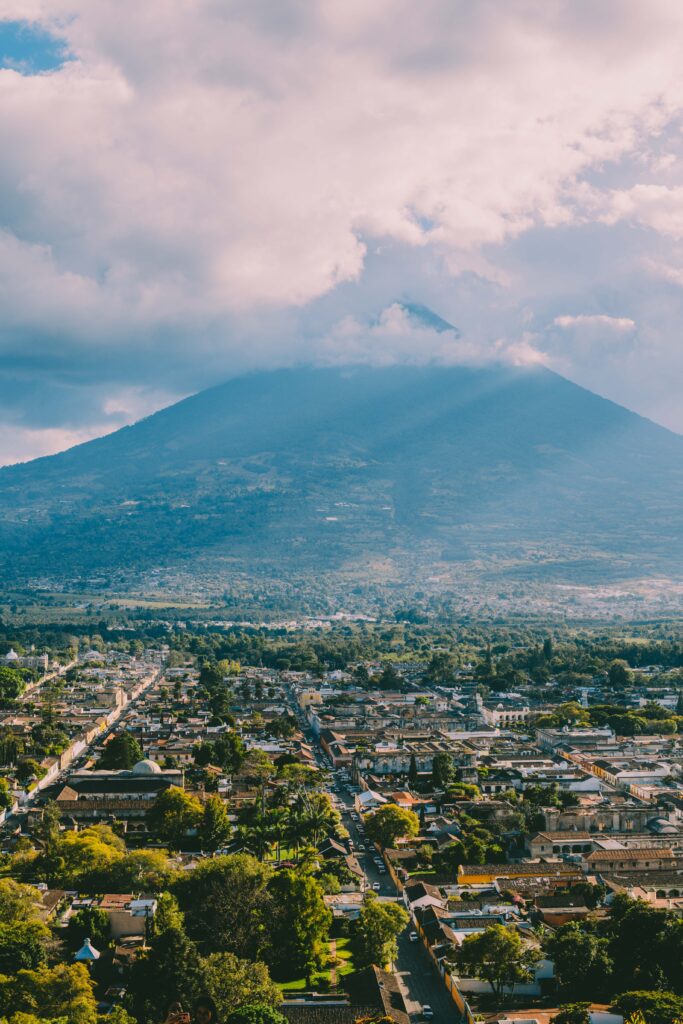
Unlike destinations with four distinct seasons, Guatemala really only has two: dry and wet. Understanding how they differ makes it much easier to figure out the best time to visit Guatemala for your specific trip.
Dry Season (November to April)
This is Guatemala’s high season and the most popular time to visit. Skies are clear, rainfall is minimal, and daytime temperatures are warm across most of the country. It’s the easiest time to travel to remote areas like Tikal, where dirt roads can become difficult after heavy rain. It’s also peak season for hiking volcanoes near Antigua and exploring Lake Atitlán, since trails and viewpoints are far less likely to be clouded over or muddy.
The tradeoff: this is also when hotels, tours, and flights are most expensive, and popular towns like Antigua get genuinely crowded, especially around the December holidays and Easter week.
Rainy Season (May to October)
Despite the name, the rainy season rarely means rain all day. Most days start clear, with showers arriving in the afternoon and clearing by evening. This season brings noticeably lower prices, thinner crowds, and lush green landscapes that make for excellent photography, particularly around Lake Atitlán and the highlands.
September and October are the wettest months, and the tail end of hurricane season can occasionally bring heavier storms, so these two months carry the most risk of disrupted travel plans, especially for anyone combining Guatemala with a Caribbean coast itinerary.
Best Time to Visit Guatemala: Month-by-Month Breakdown
| Month | Weather | Crowds & Prices | Good For |
|---|---|---|---|
| January | Dry, sunny, cool nights in highlands | Busy, high prices (holiday spillover) | Sightseeing, Tikal, volcano hikes |
| February | Dry and sunny | Moderate crowds, easier hotel availability | One of the best all-round months to visit |
| March | Dry, warming up | Busy near Easter dates | Sightseeing before Semana Santa rush |
| April | Hot, dry, occasional early rain | Very busy during Semana Santa | Antigua’s Holy Week processions |
| May | Rain begins, still mostly dry days | Fewer tourists, lower prices | Budget travel, fewer crowds |
| June | Regular afternoon showers | Low season pricing | Lush scenery, lighter crowds |
| July | Brief dry spell (Canícula) | Some school-holiday crowds | Semuc Champey, river activities |
| August | Rain increases | Low season pricing | Budget travel |
| September | Wettest month | Lowest prices, fewest tourists | Budget travel only, expect disruptions |
| October | Still wet, tapering off late-month | Low prices | Budget travel, waterfalls at their fullest |
| November | Dry season begins | Crowds building | Day of the Dead kite festivals, Tikal |
| December | Dry, sunny, cool at night | Very busy around Christmas and New Year | Festive atmosphere, book well ahead |
Best Time to Visit Guatemala by Region and Activity
Antigua and the Highlands
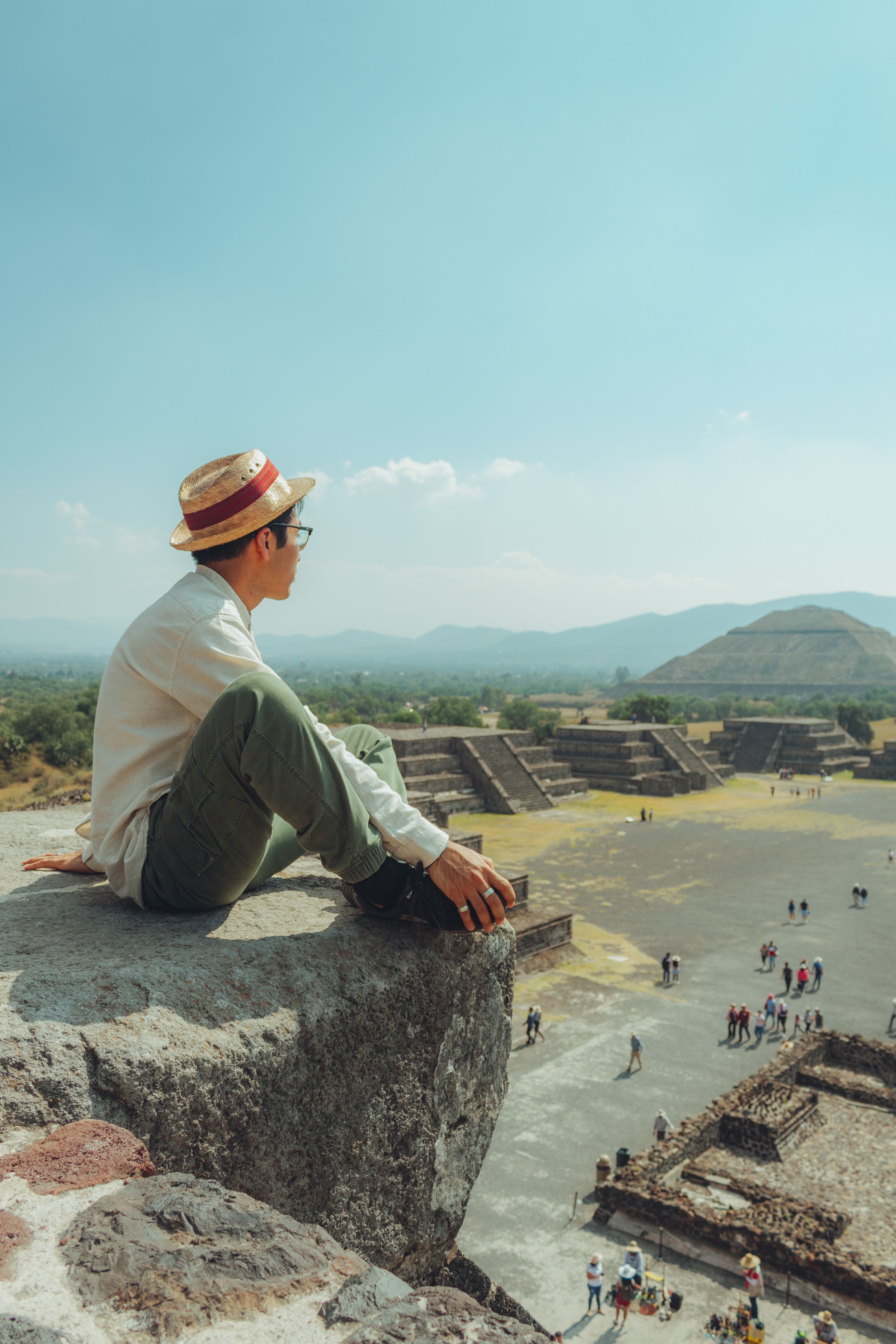
Visit between November and April for the clearest skies and easiest exploring. If you want to see Antigua’s famous Semana Santa processions with their elaborate sawdust carpets, plan around Easter, but book accommodation months in advance since this is the single busiest week of the year here.
Lake Atitlán
The dry season offers the best volcano views over the lake, but the rainy season’s afternoon-only showers still leave plenty of clear mornings, and the surrounding hills are noticeably greener. Many travelers find May and June a good compromise: fewer crowds, lower prices, and still mostly dry weather.
Tikal and the Petén Lowlands
The dry season is strongly preferred here. Roads into the park can be difficult after heavy rain, and the lowland heat and humidity are more manageable from November through April than during the wetter months. Note that Tikal is hot and humid year-round regardless of season, so bring layers for early morning and plenty of water either way.
Volcano Hikes (Acatenango, Pacaya, Fuego)
Dry season is best for volcano hiking, since trails are safer and views aren’t obscured by cloud cover or rain. If you’re set on hiking during the rainy season, aim for a morning departure, since afternoon showers are far more predictable than all-day rain.
Festivals and Events Worth Planning Around
- Semana Santa (Holy Week, March/April): Guatemala’s biggest annual event, especially in Antigua, with elaborate processions and hand-made sawdust carpets (alfombras) lining the streets. Book accommodation at least 3-4 months ahead.
- Day of the Dead (November 1-2): The villages of Santiago Sacatepéquez and Sumpango, near Antigua, hold a giant kite festival honoring the dead, one of Guatemala’s most visually striking cultural events.
- Christmas and New Year (mid-December to early January): A festive, busy period nationwide with fireworks and family celebrations. Expect higher prices and limited availability in popular towns.
Best Time to Visit Guatemala on a Budget
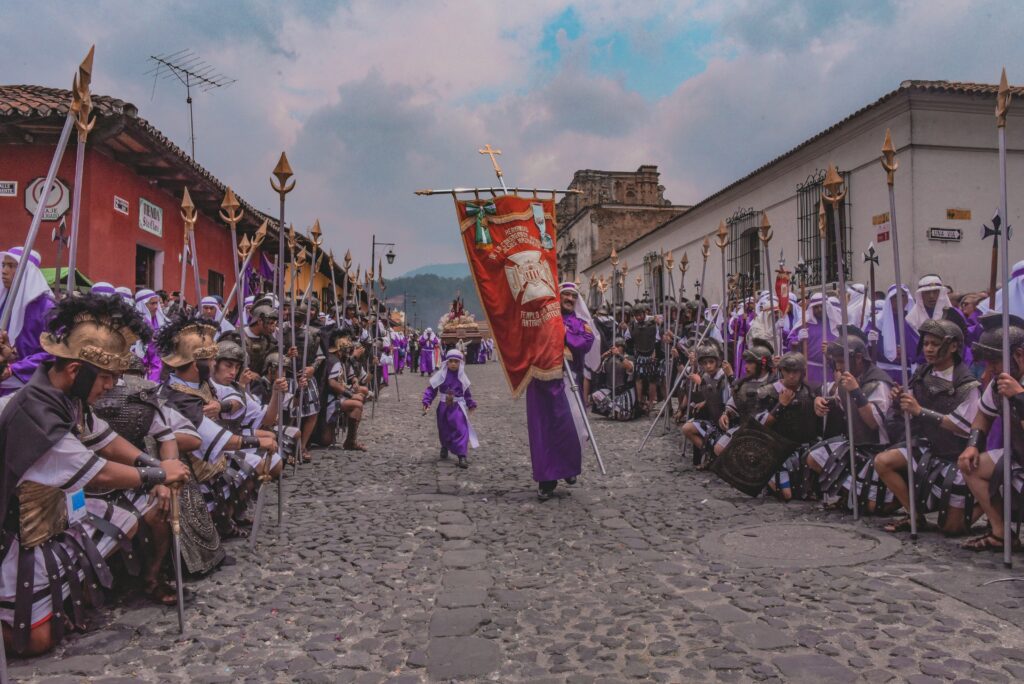
If keeping costs down matters more than guaranteed sunshine, aim for May, June, or early September through October. Hotel rates drop noticeably outside the dry season, popular sites are far less crowded, and you’ll still get plenty of dry mornings even in the “rainy” months, just with a higher chance of afternoon showers. Avoid the two weeks around Christmas/New Year and Semana Santa if budget is a priority, since these are the most expensive periods of the year regardless of season.
Packing Checklist by Season
- Lightweight, breathable clothing for lowland heat (Tikal, Petén)
- A warm layer or light jacket for highland evenings (Antigua, Lake Atitlán) year-round
- A compact rain jacket or poncho if traveling May through October
- Sturdy, broken-in hiking shoes for volcano hikes
- Sun protection year-round, even in the rainy season
Before you travel, it’s also worth checking the U.S. State Department’s Guatemala travel information page for the latest safety and entry requirement updates, regardless of which season you choose to visit.
Best Time to Visit Guatemala: Frequently Asked Questions
What is the driest month in Guatemala?
February and March are typically the driest months, with the lowest chance of rain and comfortable daytime temperatures across most of the country.
Is it safe to visit Guatemala during the rainy season?
Yes, for most of the season. Afternoon showers are predictable and rarely disrupt a full day of travel. September and October carry the highest risk of heavier storms and occasional road issues, so build some flexibility into your itinerary if traveling then.
When is the best time to visit Guatemala if I want to avoid crowds?
May and early November are the best compromise: the heaviest rains haven’t started or have just ended, crowds are noticeably thinner than peak dry season, and prices are lower than the December-through-April high season.
Do I need to book ahead for Semana Santa or Christmas?
Yes, especially for Antigua. Accommodation for Semana Santa often sells out three to four months in advance, and prices rise significantly during both Semana Santa and the Christmas/New Year period.
Final Thoughts
For most travelers, the dry season from November to April is the safest bet, especially for a first visit that includes Tikal and volcano hikes. But Guatemala rewards flexible travelers too: visiting in the shoulder months or even the rainy season means smaller crowds, lower prices, and a greener, quieter version of the same country.
For help planning the rest of your trip, see our full Guatemala Travel Guide, explore the country’s most beautiful destinations in our Guatemala Tourist Cities guide, or dig into some interesting facts about Guatemala before you go.
About the Author
Tour Voices Editorial Team
This guide was researched and written by the Tour Voices editorial team. We build our destination guides from official tourism board data, government travel advisories, and other verified sources, then cross-check details like seasonal weather patterns and event dates before publishing. We don’t claim personal, on-the-ground experience we don’t have — you can read more about how we research and fact-check on our About page.
Spotted outdated information or have a correction? Let us know — we review and update our guides regularly.