Japan is famous for its advanced technology, beautiful culture, and clean cities. However, behind the busy streets and tall buildings, every japanese farm plays an important role in the country’s lifestyle and economy. From rice fields in the countryside to fruit gardens near mountains, farming in Japan reflects discipline, patience, and deep respect for nature.
Many people imagine robots and fast trains when they think about Japan, but visiting a japanese farm shows another side of the country. Farmers wake up early, care for their land carefully, and grow crops with methods passed down through generations. At the same time, they also use modern tools to improve production and quality.
The History Behind a Japanese Farm
The story of a japanese farm started centuries ago when rice farming became the center of Japanese society. Rice was not only food but also a symbol of wealth and tradition. Villages were built around farming communities, and families worked together to grow crops throughout the year.
Even today, many traditional farming practices continue in rural areas. Farmers still follow seasonal routines and celebrate harvest festivals. It often reflect harmony with nature, which is one of the most important values in Japanese culture.

Popular Crops Grown in Japan
A japanese farm grows many types of crops depending on the region and climate. Rice is the most common crop because it is a major part of Japanese meals. Green tea farms are also popular, especially in areas like Shizuoka and Kyoto.
Fruits grown on a farm are known for their premium quality. Japanese strawberries, melons, peaches, and grapes are carefully cultivated and often sold as luxury gifts. Farmers spend extra time protecting and monitoring each fruit to ensure perfect size, shape, and sweetness.
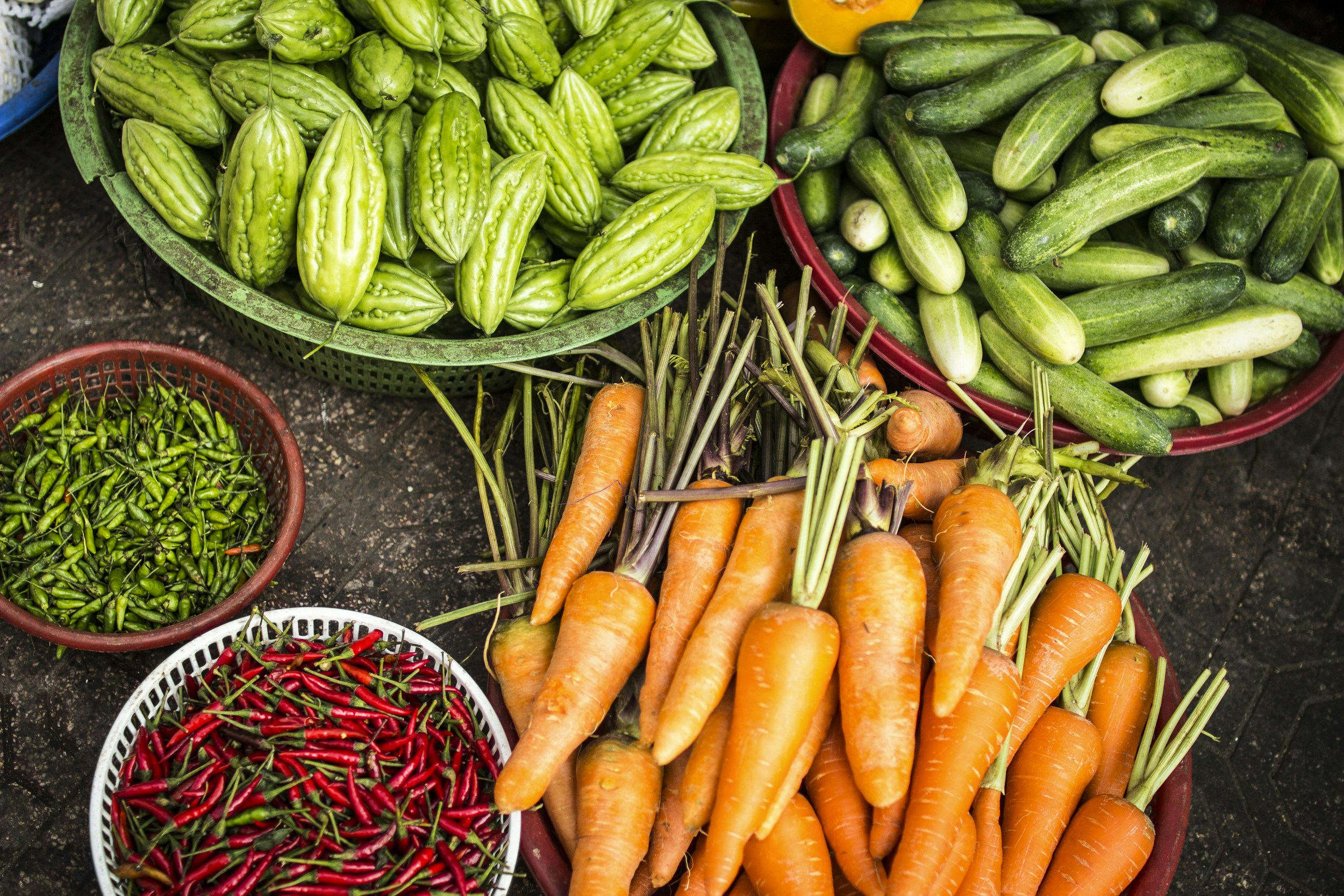
Vegetables are another important part of farming in Japan. Farmers grow cabbage, radish, sweet potatoes, cucumbers, and spinach using advanced techniques that improve freshness and taste.
Technology Used in a Japanese Farm
One thing that makes a farm unique is the combination of tradition and technology. Japan uses smart farming systems to save time and increase productivity. Some farms use automated tractors, drones, and sensors to monitor crops.
Technology helps farmers check soil conditions, water levels, and weather changes. In some places, robots even help with harvesting. Despite these modern tools, it still value careful human attention and high-quality farming methods.
Many Japanese farmers also use greenhouse farming. These controlled environments allow crops to grow during different seasons and protect plants from harsh weather.
Why Japanese Farming Is Special
The reason a farm stands out globally is the strong focus on quality instead of quantity. Japanese farmers believe every crop should meet high standards before reaching customers.
For example, farmers often wrap fruits individually, check crops daily, and maintain clean farming areas. A japanese farm is usually organized, peaceful, and extremely well-maintained.
Another special thing is the connection between farming and community life. Rural towns depend heavily on agriculture, and local people support farmers through festivals, markets, and tourism.
Tourism and Farm Visits in Japan
Today, many travelers enjoy visiting a japanese farm to experience rural Japanese life. Farm tourism allows visitors to pick fruits, learn about rice farming, and enjoy traditional countryside meals.
Some farms also offer overnight stays where tourists can live like local farmers. Spending time on a farm gives people a relaxing break from busy city life. Visitors can enjoy fresh air, beautiful landscapes, and peaceful surroundings.
During cherry blossom season and autumn harvest months, rural areas become even more attractive. Travelers take photos, taste local foods, and learn how Japanese agriculture works.

Challenges Faced by Japanese Farmers
Although farming in Japan is respected, farmers also face several challenges. Many young people move to cities for office jobs, leaving fewer workers in rural areas. As a result, the average age of a japanese farm owner continues to rise.
Land availability is another issue because Japan has many mountains and limited flat farming areas. Farmers must use space wisely and often grow crops in smaller fields.
Climate change also affects agriculture. Heavy rains, storms, and changing temperatures can damage crops. Because of these problems, every japanese farm must adapt by using smarter and more sustainable farming methods.
Sustainable Farming in Japan
Sustainability is becoming more important for every japanese farm. Many farmers now reduce chemical use and focus on eco-friendly farming practices.
Organic farming is growing slowly in Japan as consumers become more health-conscious. Farmers are also recycling water, improving soil quality, and using renewable energy where possible.
A sustainable japanese farm not only protects the environment but also helps future generations continue agricultural traditions.
Lessons the World Can Learn
There are many valuable lessons people can learn from a japanese farm. Japanese farmers show how patience, discipline, and attention to detail can create high-quality products.
Their farming methods prove that technology and tradition can work together successfully. While many countries focus mainly on mass production, a japanese farm often focuses on care, consistency, and customer trust.
Farmers in Japan also understand the importance of respecting nature. This mindset creates cleaner farming systems and healthier communities.
Final Thoughts
A japanese farm is much more than a place where crops grow. It represents culture, hard work, history, and innovation. Whether it is a rice field in the countryside or a modern greenhouse using smart technology, Japanese farming continues to inspire people around the world.
Visiting or learning about a japanese farm helps people understand the peaceful connection between humans and nature. As Japan continues to modernize, its farming traditions remain an important part of national identity.
From fresh fruits to beautiful rice fields, every japanese farm tells a story of dedication and care. That is why Japanese agriculture remains respected worldwide and continues attracting travelers, food lovers, and farming enthusiasts every year.
Please visit the website to read more.